
Best Windows For Over The Kitchen Sink
- 30 September 2022|
- News
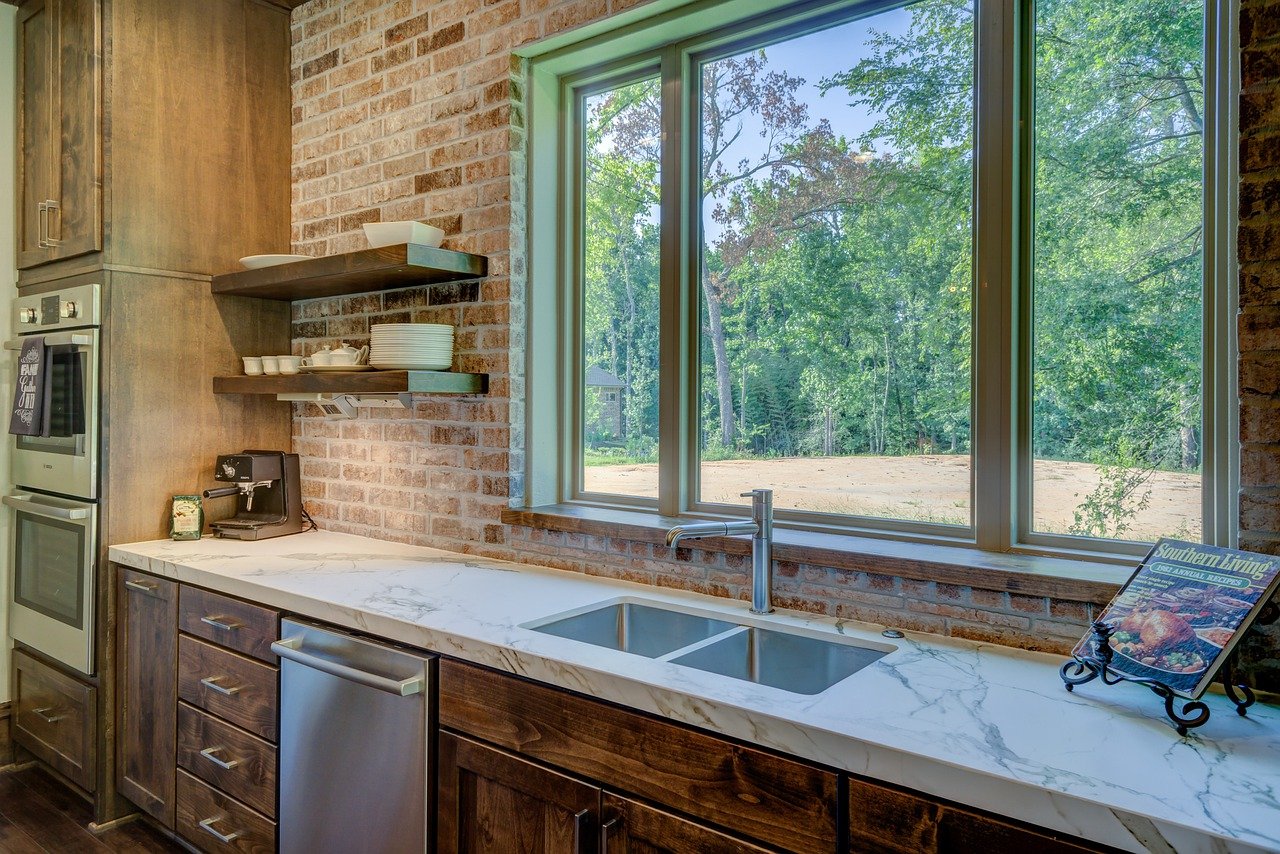
There’s no denying that the kitchen is one of the most popular gathering places in a home, whether you’re preparing food for yourself, the family, or hosting a crowd of guests. When selecting the right size large window for above your kitchen sink, consider both the available wall space and the amount of natural light you want to bring in. Measure the width between surrounding cabinets and make sure the large window is sized proportionally to achieve a balanced look, allowing for easy operation and sufficient ventilation.
The kitchen windows serve a number of crucial functions, such as giving you a view of the outside, letting natural light flood in, and providing ventilation when you need it.
For these reasons, the best windows for the area above the kitchen sink should be chosen. Here are the traits and operating styles we advise.
What to look for when choosing a kitchen window:
- Timeless aesthetics
- Good air ventilation
- Easy operation
- Lots of natural light
What styles to choose for a kitchen window:
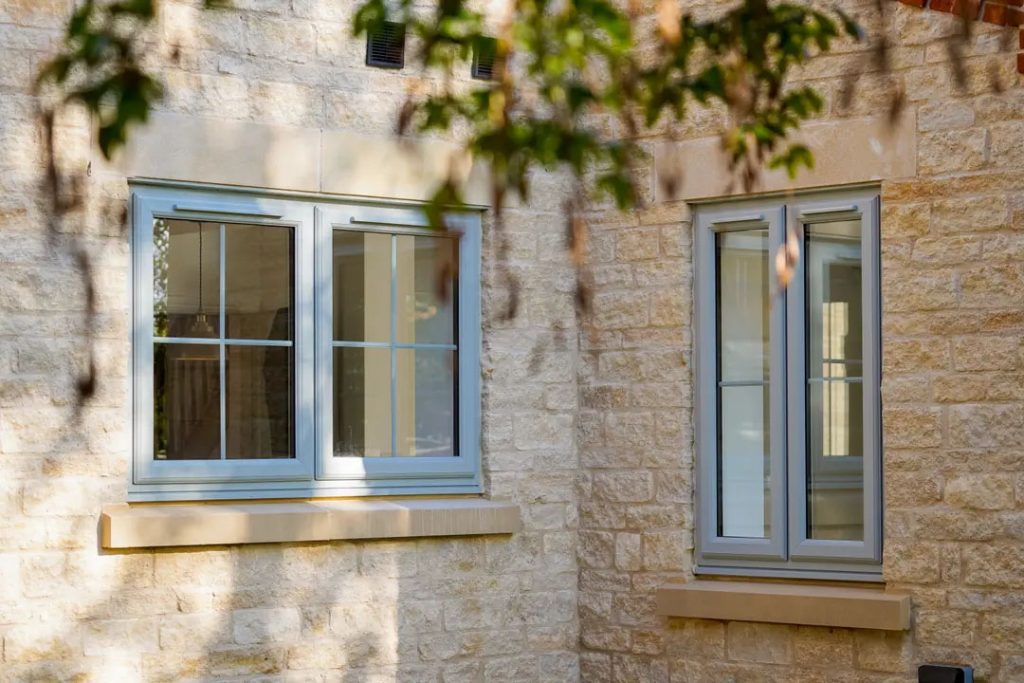
Casement windows: These best kitchen windows are one of the most popular styles. A casement window’s crank operation makes it the perfect choice for the space behind the kitchen sink. When choosing your ventilation options, think about French casements, which allow you to open the windows widely without a centre post blocking the view. Along with being energy-efficient and having a beautiful design, they have high security. Additionally, our casement windows adhere to environmental regulations set forth by the EU and the UK.
Sliding sash windows: Our UPVC sliding sash windows have a horizontal orientation and are made to order in sizes to fit your kitchen sink’s width. Sliding windows with open shelving are simple to open with one hand thanks to the smooth tracks.
Flush casement windows: This style of window is perfect if you are looking to maintain a traditional aesthetic in your home without sacrificing environmental friendliness and energy efficiency, making it a great choice for installing new windows. Other benefits include little maintenance required, thermal efficiency, and high performance and durability.
Selecting an installer is the last step if any of these options sound like they would work well in your house. Popular design ideas for kitchen sink windows include installing classic casement windows that open outward for ventilation, helping to eliminate cooking odors, large picture windows to maximize natural light, or adding a garden window for extra shelf space and a touch of greenery. At E&A Windows, we provide our customers with beautiful, high-end, energy-efficient windows. To find out more, contact a member of our team today.
Frequently Asked Questions
What are the pros and cons of different kitchen window types for the area above the sink?
When considering windows for the kitchen sink area, casement, sliding, and flush casement windows each offer unique advantages and disadvantages.
Casement Windows: These windows are hinged on one side and open outward, providing excellent ventilation and unobstructed views. The pros include ease of use and the ability to catch breezes from any angle. However, they can be difficult to clean from the inside, and if not installed properly, they may be prone to water leakage.
Sliding Windows: Sliding windows consist of two or more sashes that slide horizontally. Their pros include space-saving design, making them ideal for tight areas, and ease of operation. On the downside, they may not provide as much ventilation as casement windows and can be challenging to clean due to their structure.
Flush Casement Windows: These are designed to sit flush with the wall, offering a sleek appearance. The pros include modern aesthetics and great energy efficiency due to their tight seals. However, they can be more expensive than other options and may require more maintenance to keep the flush installation functioning properly.
Each type has its own set of benefits and challenges, making it essential to consider your specific needs and preferences when selecting the best window for your kitchen sink area.
How can I decorate the window over my kitchen sink?
To decorate the window over your kitchen sink, consider using sheer curtains to allow natural light while maintaining privacy, enhancing the visual appeal. You can also hang a small potted herb garden on the windowsill for a fresh touch, or use decorative window film to add patterns without blocking the view. Additionally, incorporating a decorative valance can enhance the aesthetic while keeping the look cohesive with your kitchen decor.
Are there specific window frame materials recommended for kitchen sink areas?
Yes, there are several window frame materials that are recommended for kitchen sink areas. Vinyl and fiberglass frames are popular choices due to their resistance to moisture and ease of maintenance, contributing to their overall ease of use. Aluminum frames can also be suitable, but they should be treated to resist corrosion. Wood frames can add aesthetic appeal, but they require regular maintenance to prevent water damage. Ultimately, the best choice depends on your kitchen’s design and your maintenance preferences.
What are some inspiration ideas for unique kitchen sink windows?
When considering unique kitchen sink windows, think about incorporating features like stained glass for a pop of color, or a large picture window that offers a beautiful view. You might also explore options like a garden window, which allows for additional plants and herbs, or a sliding window that is a good option for opening to an outdoor space, enhancing the kitchen’s functionality. Additionally, consider using frosted glass for privacy while still allowing light to filter through.
Why are kitchen sinks traditionally placed under windows?
Kitchen sinks are traditionally placed under windows for several reasons. Firstly, it allows for natural light to illuminate the workspace, making it easier to see what you’re doing while washing dishes or preparing food. Secondly, having a view of the outdoors can make the task of doing dishes more pleasant and less monotonous. Additionally, it provides ventilation, allowing for fresh air to circulate in the kitchen, which can help reduce odors. Lastly, it creates a more open and inviting atmosphere in the kitchen, connecting the indoor space with the outside environment.