
Understanding the Difference Between uPVC and PVC Materials
- 22 February 2026|
- News
Key Highlights
- The primary difference between polyvinyl chloride (PVC) and unplasticized polyvinyl chloride (uPVC) is the absence of plasticizers in uPVC, making it rigid.
- uPVC is the preferred material for windows and doors due to its durability, low maintenance, and weather resistance.
- One of the main differences is that uPVC offers superior strength and longevity, making it ideal for long-term construction projects.
- PVC is a more flexible and cost-effective material suitable for applications like wiring insulation and temporary plumbing.
- uPVC windows contribute to greater energy efficiency in homes by providing excellent thermal insulation.
Introduction
When it comes to home improvement and construction, you’ve likely come across the terms PVC and uPVC. While they sound similar, these two popular building materials serve very different purposes. Understanding the distinction between polyvinyl chloride (PVC) and the uPVC material is crucial for making informed decisions for your projects. This guide will walk you through their differences in composition, durability, and common uses, helping you choose the right material for your specific needs.
Overview of uPVC and PVC Materials
Polyvinyl chloride (PVC) and unplasticized polyvinyl chloride (uPVC) are both derived from the same synthetic plastic polymer. However, their properties and applications differ significantly due to their unique manufacturing processes. PVC is known for its flexibility, while the uPVC material is celebrated for its rigidity and strength.
This contrast in characteristics makes each material suitable for distinct roles in construction and consumer products. Let’s explore the fundamental definitions of these materials and how they came to be so widely used.
Basic Definitions: What Are uPVC and PVC?
PVC, or polyvinyl chloride, is a versatile plastic made flexible through the addition of chemicals called plasticizers. This adaptability allows it to be molded into many different shapes, making it a popular choice for items like plumbing pipes, electrical cable insulation, and even flooring. Think of standard PVC as the softer, more pliable version of this plastic family.
On the other hand, uPVC stands for unplasticized polyvinyl chloride. As the name suggests, it does not contain those softening plasticizers. This results in a rigid, strong, and durable material. This inherent toughness makes uPVC products like window frames and doors exceptionally long-lasting and resilient against the elements.
So, what is the main difference between uPVC and PVC? The key distinction lies in the presence of plasticizers. PVC contains them, making it flexible, while uPVC does not, resulting in a rigid and robust structure perfect for building applications that demand strength and longevity.
Origins and Development in the UK Market
The rise of uPVC in the United Kingdom is closely tied to the growing demand for better-performing building materials, especially in the latter half of the 20th century. As homeowners sought more durable and energy-efficient solutions, uPVC windows with double glazing quickly became a popular alternative to traditional wood and metal frames. Their ability to withstand the UK’s often damp and dreary weather without rotting or rusting was a game-changer for the construction industry.
Initially, you might have seen the term “PVCu” used. So, what do PVCu and uPVC mean, and are they different? They are, in fact, the same material. The “u” simply stands for unplasticized. In the UK, it was common to place the “u” at the end (PVCu) to align with European naming conventions. Over time, “uPVC” has become the more widely accepted term globally.
Today, uPVC frames are a standard feature in modern homes across the UK. Their reputation for low maintenance, excellent insulation, and long-term value has cemented their place as a go-to material for windows, doors, and other external fittings.
Chemical Composition and Structural Differences
The core differences between uPVC and PVC stem from their chemical composition. The manufacturing process for standard PVC involves adding plasticizers, which are substances that make the final product flexible and soft. In contrast, uPVC is produced without these additives, resulting in its characteristic rigidity.
This presence of plasticizers is one of the main differences that dictates how each material behaves and where it can be used effectively. Now, let’s look closer at the ingredients that define them and how additives impact their final properties.
Understanding the Core Ingredients
Both uPVC and PVC start as the same base material: a synthetic plastic polymer called polyvinyl chloride. This polymer is created by linking vinyl chloride monomers together. From this shared starting point, the paths of these two materials diverge based on the additives introduced during production.
The main difference between uPVC and PVC is the addition of plasticisers to PVC. These chemicals, typically phthalates, get between the polymer chains, making the material softer and more flexible. uPVC, however, is left “unplasticized,” allowing it to retain its natural rigidity and strength. Both materials may also contain other additives like stabilizers and pigments, but the plasticizer is the key differentiator. This difference also affects properties like chemical resistance, with uPVC often being more resilient.
| Property | PVC | uPVC |
|---|---|---|
| Base Polymer | Polyvinyl Chloride | Polyvinyl Chloride |
| Plasticizers | Present (e.g., phthalates) | Absent |
| Resulting State | Flexible, Soft | Rigid, Hard |
| Common Use | Hoses, Cable Insulation | Window Frames, Pipes |
How Additives Affect uPVC and PVC Properties
The presence of plasticizers is the single most influential factor in the manufacturing process, drastically changing the material’s final characteristics. In standard PVC, these additives create a flexible and pliable product perfect for applications requiring bendability, like electrical wiring or medical tubing. However, these same plasticizers can leach out over time, especially when exposed to heat or UV light, potentially affecting the material’s longevity.
In contrast, the absence of these additives in uPVC is what gives it its renowned strength and rigidity. This makes uPVC frames for windows and doors structurally sound and capable of withstanding significant stress without deforming. The simpler chemical composition of uPVC also contributes to its stability and resistance to environmental factors.
This leads to an important question: is uPVC safer than PVC in terms of chemical composition? Generally, yes. Because uPVC does not contain plasticizers like phthalates, which have raised health concerns, it is often considered a safer, more stable material, especially for applications within the home.
Key Physical Characteristics Compared
When you place uPVC and PVC side-by-side, their physical differences are immediately apparent. The most obvious distinction is flexibility versus rigidity. Standard PVC can be bent and shaped easily, whereas uPVC is firm and holds its form under pressure. These main differences in strength and structure directly influence their durability.
These qualities determine how each material performs in the real world. Let’s explore how their strength, surface quality, and overall longevity stack up against one another in various applications.
Strength, Flexibility, and Surface Quality
The defining physical trait of uPVC is its impressive strength. Because it lacks plasticizers, uPVC stands firm and resists bending, making it ideal for structural components like window and door frames. PVC, with its added flexibility, is not designed for load-bearing roles but excels where pliability is needed, such as in hoses or cable coatings.
When considering durability, there are significant differences between PVC and uPVC. The rigid nature of uPVC gives it superior impact resistance and a longer service life, especially in outdoor settings. PVC can become brittle over time with UV exposure, while uPVC maintains its structural integrity for decades.
The surface quality of uPVC is another advantage. uPVC frames have a smooth, non-porous finish that doesn’t require painting or sealing and can be easily cleaned with just a damp cloth. This low-maintenance surface resists dirt and discoloration, keeping its appearance fresh for years, unlike some PVC products that may degrade or stain over time.
Durability and Longevity in Real-World Applications
In real-world scenarios, the durability and longevity of a material are put to the test. For outdoor applications, uPVC consistently outperforms PVC. Its formulation is designed to withstand the elements, from intense sunlight to freezing temperatures, without warping, cracking, or degrading. This makes it an excellent choice for window frames, doors, and cladding that are constantly exposed to harsh weather conditions.
So, what makes uPVC more suitable for exterior use compared to PVC? The primary reason is the exceptional resistance of uPVC to UV radiation and moisture. While standard PVC can become brittle and discolored after prolonged sun exposure, uPVC contains stabilizers that protect it, ensuring it maintains its strength and color for decades. This resistance prevents the material from breaking down, guaranteeing a much longer service life.
The longevity of uPVC is a key selling point for homeowners. Investing in uPVC products means you are choosing a material that can last for 50 years or more with minimal maintenance. PVC, while useful for many applications, simply cannot match this long-term performance in demanding environments.
Typical Uses of uPVC and PVC in the United Kingdom
In the UK, both uPVC and PVC are a popular material across various sectors, but they occupy very different niches. uPVC has become a cornerstone of the modern construction industry, largely for its use in long-lasting, external building components. You’ll see it everywhere from new housing developments to renovation projects.
Meanwhile, PVC remains a popular choice for a wide array of consumer goods and more flexible construction applications where rigidity isn’t a priority. Let’s examine the common applications for each to better understand where they excel.
Common Applications for uPVC (Windows, Doors, Pipes)
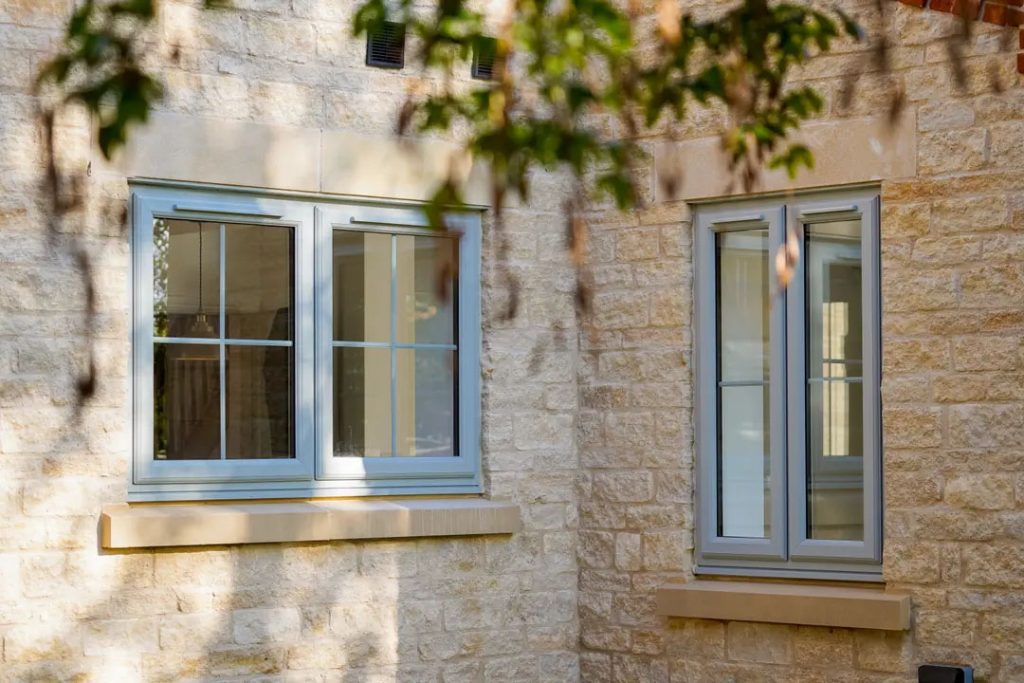
uPVC has become the go-to material for many critical building components, thanks to its strength and durability. Its most well-known application is in the manufacturing of windows and doors. The reason uPVC is preferred over PVC for windows and doors is its rigidity and ability to withstand environmental stress without warping or degrading, ensuring a secure and long-lasting fit.
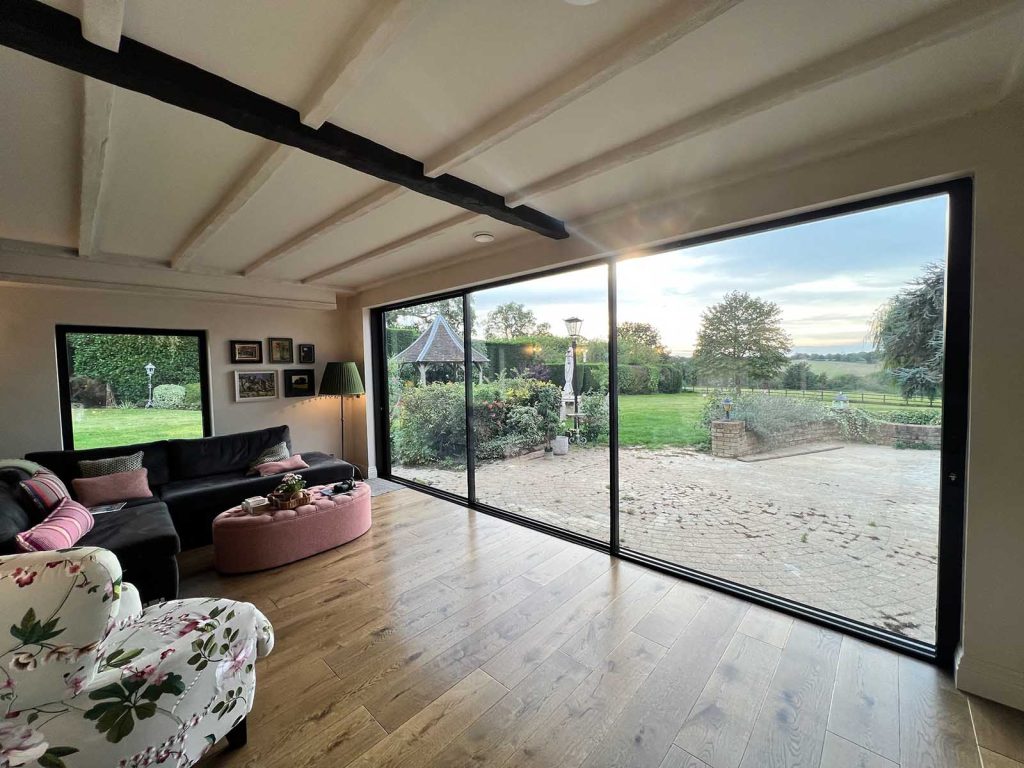
The structural integrity of uPVC window frames and door frames also provides excellent thermal insulation, helping to improve a home’s energy efficiency. Furthermore, its smooth surface requires very little upkeep, making it a low maintenance choice for busy homeowners. Another significant use is for uPVC pipes, particularly in underground drainage and water mains, where its resistance to corrosion and pressure is a major advantage.
Common uses for uPVC include:
- uPVC windows and conservatories
- External and internal door frames
- Fascias, soffits, and cladding
- Durable uPVC pipes for plumbing and drainage
- Garden fencing and decking
Most Popular Uses for PVC (Plumbing, Wiring, Cladding)
The flexibility of standard PVC makes it incredibly versatile for applications where rigidity would be a hindrance. One of its most common uses is in plumbing, particularly for smaller pipes and fittings that need to navigate tight spaces. Its lightweight nature and ease of joining make it a practical option for certain drainage systems and non-pressurized water flow.
Another major area for PVC is in electrical insulation. Its ability to be molded around wires provides a protective, non-conductive layer, which is why it’s so widely used for cable insulation in homes and electronics. Beyond construction, its flexibility and safety for certain formulations make it suitable for medical tubing and blood bags.
So which is better for home building products, PVC or uPVC? For structural, long-term elements like windows, doors, and main pipes, uPVC is superior. For other uses, PVC is often the right choice.
- Flexible plumbing and waste pipes
- Electrical insulation for wires and cables
- Vinyl flooring and wall coverings
- Inflatable products like pool liners
Choosing Between uPVC and PVC: Factors to Consider
Making the right choice between uPVC and PVC depends entirely on your project’s specific requirements. Understanding the key differences in safety, cost, and maintenance will help you determine which is the best material for your needs. A thoughtful decision now can lead to a smart investment that pays off for years to come.
Thinking about the environmental impact and the long-term value will guide you toward making a selection that is not only practical but also responsible. Let’s break down these crucial factors to help you decide.
Safety and Environmental Impact
When evaluating safety, the chemical composition of each material is a primary concern. As mentioned, uPVC is generally considered safer than PVC because it does not contain the plasticizers (like phthalates) that can potentially leach out over time. This makes uPVC a more stable and non-toxic option for building materials used within a home environment.
From an environmental standpoint, uPVC stands out for several reasons. Its durability means less frequent replacement, reducing waste over the long term. Its excellent insulating properties contribute to better energy efficiency, lowering a home’s carbon footprint. Furthermore, uPVC is widely recyclable at the end of its life, where it can be broken down and reformed into new products.
Key environmental and safety advantages of uPVC include:
- Being free from potentially harmful plasticizers and lead.
- Enhancing home energy efficiency, which reduces power consumption.
- Being a highly durable and recyclable material, promoting sustainability.
Cost, Maintenance, and Value for Homeowners
Cost is often a deciding factor for any home improvement project. Are there price differences between PVC and uPVC products? Yes. Initially, PVC products are typically cheaper than their uPVC counterparts. This might make PVC seem like the more budget-friendly option for short-term or temporary applications.
However, when you consider long-term value, the picture changes. uPVC may have a higher upfront cost, but its durability and minimal upkeep requirements mean you save money in the long run. It doesn’t require painting, sealing, or frequent repairs. This resilience makes uPVC a smart investment that adds lasting value to your property.
Here’s a quick look at how they compare on value:
- Initial Cost: PVC is generally lower.
- Maintenance: uPVC requires minimal upkeep, saving time and money.
- Longevity: uPVC lasts significantly longer, avoiding replacement costs.
- Overall Value: uPVC often provides a better return on investment over its lifespan.
Conclusion
In summary, understanding the differences between uPVC and PVC materials is essential for making informed decisions in home improvement projects. Both materials have unique properties, advantages, and ideal applications that can significantly impact your projects’ safety, durability, and cost-efficiency. By considering factors such as strength, flexibility, and environmental impact, you can select the right material that meets your needs and enhances your living space. Whether you’re renovating or building anew, choosing the correct material can ensure long-lasting results. If you have further questions or need assistance, feel free to reach out for a consultation to explore your options!
Frequently Asked Questions
How can I tell if my product is made from uPVC or PVC?
The easiest way to tell the difference is by flexibility. If the material is rigid and hard, like on modern window frames, it is most likely uPVC. If it’s soft and can be bent, like a garden hose or some pipes, it’s standard PVC. uPVC windows have sturdy, unbending uPVC frames.
Is uPVC safer than PVC for building materials?
Yes, uPVC is generally considered safer for building materials. Its chemical composition is more stable as it doesn’t contain plasticizers that can leach out. Because uPVC stands for unplasticized, it is a more inert and non-toxic option for your home, in addition to being durable and promoting energy efficiency.
Can uPVC and PVC be used interchangeably in home improvement projects?
No, they generally cannot be used interchangeably. Their properties are too different. uPVC products are rigid and structural, while PVC is flexible. Using PVC where uPVC is needed would lead to failure. For any home improvement industry project, you must choose the best material for the specific application.