
An Honest Solidor Door Review for Homeowners
- 20 August 2026|
- News
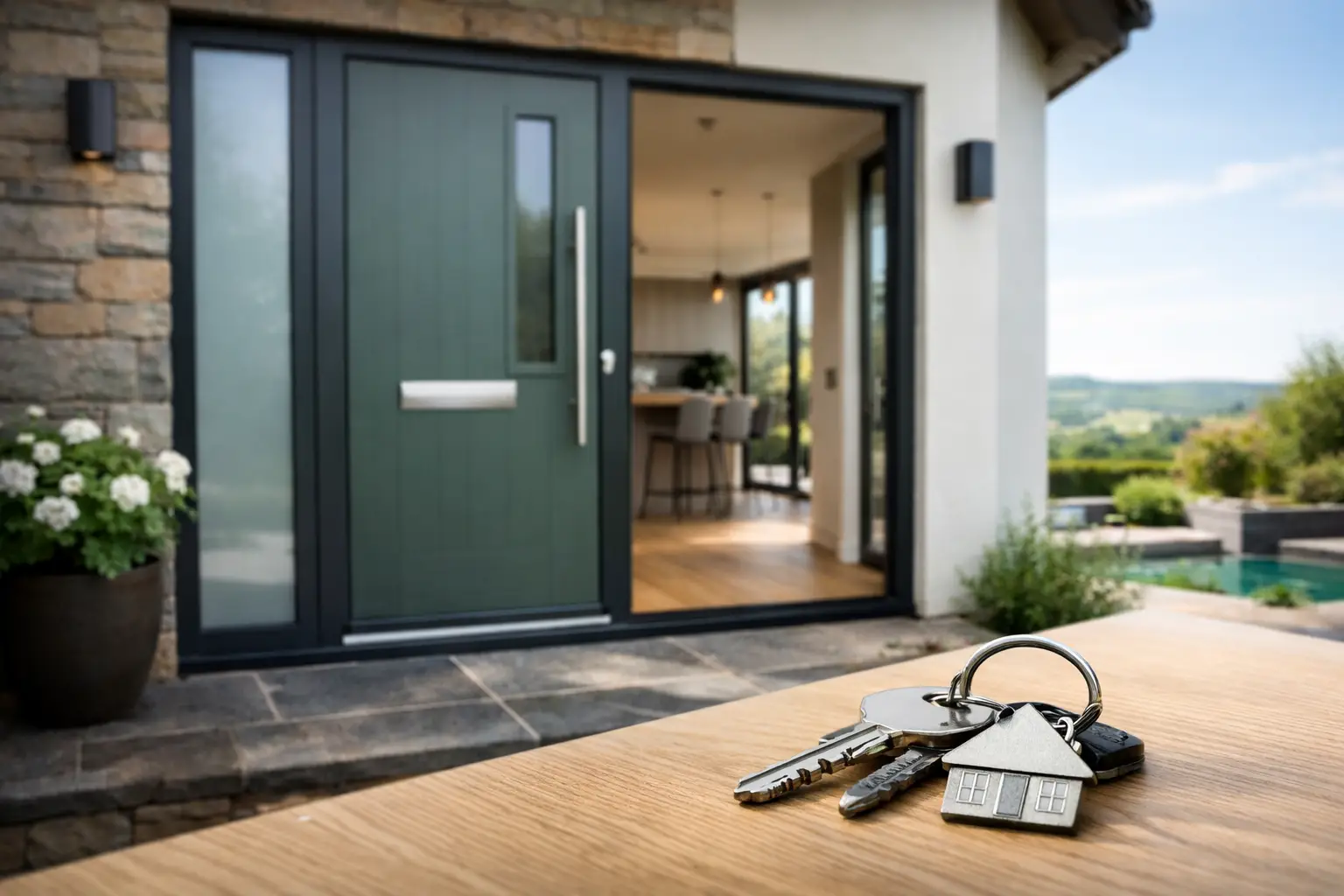
A front door has to do more than look good in a photograph. It must close cleanly on a cold, wet evening, feel secure when the house is empty and suit the character of the property for years to come. In this Solidor door review, we look at why these premium composite doors are a popular choice for homeowners across Hertfordshire and North London, as well as the points worth considering before you order.
Solidor doors are often chosen by homeowners who want the traditional proportions and character of timber without the regular painting and maintenance that a timber door can require. They are not the cheapest composite door option, but their specification, weight and range of finishes place them firmly towards the premium end of the market.
Solidor door review: what sets the range apart?
The defining feature of a Solidor composite door is its solid timber core. Many composite doors use a foam-based core, whereas Solidor uses a 48mm solid timber core designed to provide a substantial feel, good thermal performance and improved resistance to everyday knocks. When you open and close one, that extra solidity is usually noticeable.
The outer skin is designed to recreate the appearance of a painted timber door, with moulded detailing, woodgrain finishes and a broad choice of traditional and contemporary styles. This makes the range particularly suitable for properties in Radlett, St Albans, Harpenden and surrounding areas, where a new entrance door often needs to complement existing brickwork, period features or carefully chosen replacement windows.
There is plenty of scope to personalise the final design. Homeowners can consider panel layouts, colours, glazing, handles, knockers, letterplates and hinges as a complete scheme rather than selecting a standard door from a limited palette. A deep heritage green or blue can suit a period home beautifully, while a simple grey, black or white finish can work well on a more contemporary renovation.
That choice is a genuine strength, but it also means decisions need to be made carefully. The right glass design, hardware finish and frame colour can elevate a door. The wrong combination can make even a high-quality product feel less considered. Seeing samples and discussing the proportions of the door with an experienced surveyor is worthwhile before manufacture begins.
Security and everyday reassurance
For most homeowners, security is one of the main reasons to replace an older front door. A quality composite door should offer far more than a decorative upgrade, and Solidor doors can be specified with high-security locking and hardware options appropriate to the property.
The final security performance depends on the exact door configuration, lock cylinder, glazing and installation. It is sensible to ask what locking system is included as standard, whether an upgraded cylinder is available and which security accreditations apply to the particular design being quoted. A good installer should explain this clearly, without relying on vague promises or unnecessary technical jargon.
The door frame matters just as much as the slab itself. A well-made door installed poorly can still suffer from draughts, movement or problems with locking alignment. Accurate surveying is particularly important in older homes, where openings are not always square and existing thresholds may have settled over time.
At E&A Windows, we place just as much emphasis on the survey and fitting as the door selection. The aim is a door that operates smoothly, seals properly and is finished with utmost care and precision around the frame, rather than simply looking impressive on installation day.
Thermal performance and weather resistance
An older timber door, thin uPVC panel door or poorly fitted entrance door can be a noticeable source of heat loss and draughts. A Solidor door can improve comfort around the hallway through its insulated construction, weather seals and close-fitting frame.
It is worth keeping expectations realistic. Replacing a front door can make a cold entrance feel warmer and reduce draughts, but it will not solve wider insulation issues elsewhere in the property. Single glazing, uninsulated walls, open chimneys and gaps around floorboards may still affect how the home feels. It works best as part of a considered energy-efficiency upgrade.
The threshold also deserves attention. Homeowners may want a low threshold for easier access, particularly where pushchairs, deliveries or reduced mobility are factors. However, the choice needs to balance accessibility, weather protection and the floor levels inside and outside the home. This is exactly the sort of detail that should be resolved during survey, not left until fitting day.
How does a Solidor compare with a timber or aluminium door?
A Solidor is a strong option for homeowners who want a traditional or classic front-door appearance with reduced maintenance. It is resistant to the everyday effects of changing weather and does not need the same routine repainting programme as a painted timber door. For a busy household, that is a practical advantage.
A genuine timber door still has a distinctive character that some period-property owners prefer, particularly where conservation requirements or existing joinery call for an authentic material. It can also be repaired and redecorated over its lifetime. The trade-off is ongoing maintenance, and the quality of the timber, paint system and installation are all crucial.
Aluminium entrance doors are often the better fit for highly contemporary homes, large-format designs or projects where a sleek, minimal appearance is the priority. They can offer impressive durability and a very different design language. They are typically a more significant investment, however, and may look out of place on a traditional cottage or Victorian terrace.
There is no universal best material. The most suitable door is the one that suits the property, the desired appearance, the level of maintenance you are comfortable with and the budget available.
Points to consider before choosing a Solidor door
The premium feel and wide choice of designs are appealing, but a Solidor door is not automatically the right answer for every project. The overall cost will be higher than a basic composite door, particularly once decorative glazing, sidelights, upgraded hardware and specialist finishes are added. It is better to compare like-for-like quotations, including the frame, hardware, removal of the old door, fitting, making good and disposal.
Colour choice is another practical consideration. A dramatic colour can transform a façade, but it should work with the roof tiles, brickwork, windows and porch rather than follow a short-lived trend. If the home has strong sun exposure, discuss the proposed finish and location with your installer so that the specification is suitable for the conditions.
Glazing deserves the same thought. Clear glass brings light into a darker hallway but offers less privacy. Obscure or decorative glass can maintain privacy while still brightening the entrance, and a well-chosen pattern can reinforce the style of the home. Security glass and the correct fitting details should always be part of the conversation.
Finally, allow enough time for the process. A bespoke door should be measured after the design is agreed, then manufactured to the confirmed specification. Rushing this stage can lead to avoidable compromise. A clear quotation, accurate survey and agreed installation date provide much more peace of mind than a quick decision made under sales pressure.
Is a Solidor door worth the investment?
For many homeowners, yes. A Solidor can deliver the reassuring weight, security-focused specification and tailored appearance expected from a premium composite entrance door. It is especially compelling where kerb appeal matters, whether that is a single-door replacement before selling, a renovation in Borehamwood or Bushey, or a whole-house improvement alongside new windows.
Its value is strongest when the design is chosen carefully and installation is treated as part of the product, not an afterthought. A well-specified door should feel right every time you return home: secure, quiet, weather-tight and properly matched to the building. That is the standard worth aiming for, whichever door material you ultimately choose.