
Bay Window Replacement Cost for UK Homes
- 5 August 2026|
- News
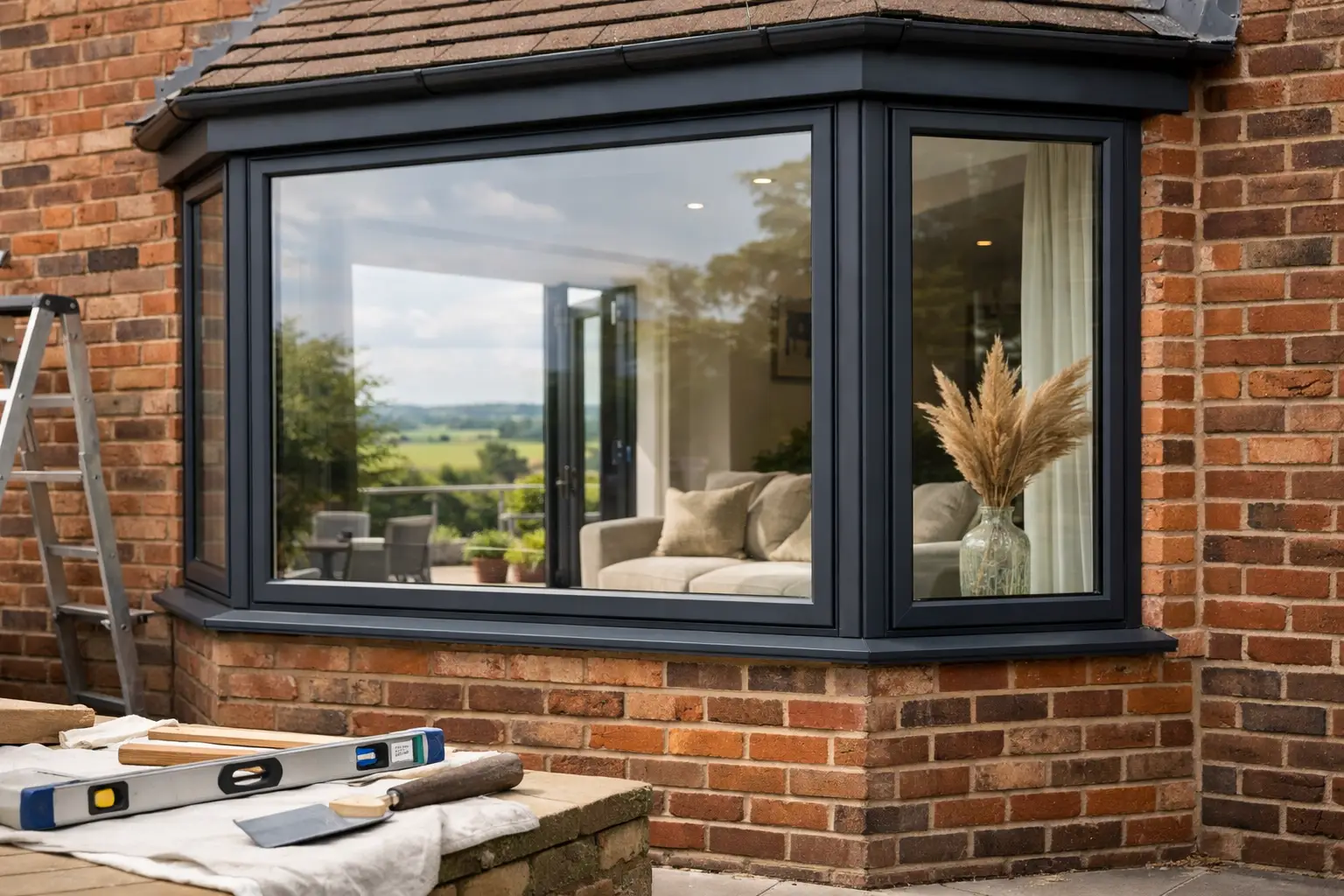
A bay window should make a room feel brighter, more generous and better connected to the view outside. When the frames become draughty, difficult to operate or visibly tired, replacement can transform both comfort and kerb appeal. The bay window replacement cost, however, is usually higher than the price of a standard flat window because every section must be accurately measured, manufactured and fitted as one coordinated installation.
For homeowners in Hertfordshire and North London, a realistic budget starts with understanding what is being replaced. Is it the window frames and glazed units within an existing sound bay, or does the project involve repairing the structure, roof, brickwork or internal finishes too? Those are very different jobs, and a careful survey is the only reliable basis for a final quotation.
Typical bay window replacement cost in the UK
As a broad guide, replacing a standard three-section ground-floor bay window can cost from around £2,500 to £5,500 in quality uPVC. Timber, aluminium and steel options generally sit at higher price points, reflecting the material, fabrication and level of detail involved.
A made-to-measure timber bay may typically range from £5,000 to £10,000 or more. Slimline aluminium bay windows often begin around £6,500 and can exceed £12,000 where the design includes large glass areas, bespoke colours, shaped sections or higher-specification glazing. Steel systems are a premium architectural choice and may range from £10,000 upwards, particularly where very fine sightlines and complex glazing layouts are required.
These figures are useful for early planning, not as a substitute for a detailed quote. A compact canted bay with three straightforward windows is very different from a wide Victorian bay with decorative sashes, curved elements, leaded glass or a bay roof that needs attention.
What affects the price of a replacement bay window?
The main factor is the bay’s size and configuration. Most bays are either canted, with angled front sections, or square and more box-like. Curved bays, bow windows and original period designs can require more specialist manufacture. More sections, opening sashes and complex angles mean more material, glass, hardware and installation time.
Material makes a significant difference too. uPVC offers good thermal performance and value, with a wide choice of finishes including woodgrain effects. It can be an excellent option for many homes, especially where a practical, low-maintenance replacement is the priority.
Timber suits many character properties and conservation-sensitive homes, bringing warmth and authentic proportions. It needs the right coating system and ongoing care, but a well-made timber window can be a particularly appropriate long-term choice for a traditional façade.
Aluminium provides slim frames, strength and a contemporary finish, making it well suited to larger panes and modern renovations. Heritage aluminium systems can also offer a more traditional appearance while retaining the practical benefits of aluminium. Steel has the finest sightlines of all, but its premium cost is best justified where the architecture calls for it.
Glazing specification also changes the total. Modern double glazing is standard for most replacement projects, but homeowners may choose acoustic glass for busy roads, solar-control glass for strongly south-facing rooms, laminated safety glass, decorative units or enhanced thermal performance. Triple glazing can be worthwhile in selected designs, although it is heavier and is not automatically the best answer for every bay window.
The installation work behind the quote
A bay window is not simply a collection of individual windows. The frames work together and must be properly supported, aligned and sealed to maintain strength, weather resistance and a clean finish. This is why comparing a low headline price with a comprehensive professional quotation can be misleading.
A quality installation should allow for the safe removal and disposal of old frames, protection of the surrounding area, appropriate support where required, new trims and sealants, and making good to affected internal areas. External details matter as well. Brickwork, render, tiled bay roofs, flashings and window boards all need to be assessed before work begins.
If the existing bay has signs of movement, damp, rotten timber, failed render or damaged brickwork, those repairs should be costed separately. Replacing the windows without addressing the underlying issue can lead to disappointment later. Equally, if the bay itself is structurally sound, replacement is usually far more straightforward than a full rebuild.
Period homes, conservation areas and planning considerations
Many homes across St Albans, Harpenden, Radlett, Watford and North London have bays that are central to their original character. A poorly chosen replacement can alter the building’s proportions, while a carefully designed one can retain the features people value most.
Planning permission is not normally required when replacing windows like for like, but there are exceptions. Listed buildings, conservation areas and properties subject to an Article 4 Direction may have restrictions on material, glazing pattern, frame profiles or colour. Flats and leasehold homes can also require freeholder approval.
The right approach is to establish any requirements before placing an order. For a period property, details such as sash proportions, glazing bars, horn profiles, cills and exterior finish can be just as important as the window material itself.
How to compare bay window quotes fairly
When reviewing quotations, look beyond the total figure and check that each company is pricing the same scope of work. A lower price may exclude essential elements that appear later as extras, such as scaffold access, internal trims, bay roof repairs, disposal, electrical alterations or finishing work.
Ask whether the quotation confirms the frame system, glass specification, number of opening sections, colour inside and out, hardware, ventilation provision and guarantees. It should also make clear whether any provisional allowance has been made for unforeseen repairs once the old window is removed.
It is sensible to ask how the installer will survey and support the bay, particularly where there is a canopy, roof or masonry above. Clear answers at this stage offer far more reassurance than a vague promise to resolve details on site.
Choosing value rather than the cheapest option
The cheapest bay window replacement is not always the most economical over its lifespan. Poorly fitted frames can create draughts, condensation risks, water ingress and unsightly gaps around the reveal. A better-designed system, fitted with care, can improve warmth, reduce outside noise and refresh the appearance of the whole front elevation.
That does not mean every home needs the most expensive material. A well-specified uPVC bay may be the right choice for one property, while aluminium, timber or steel may better suit another. The best decision balances the building’s style, your budget, thermal requirements, security expectations and how long you plan to stay in the home.
At E&A Windows, the process begins with practical advice and a detailed survey, rather than a hard sale. That allows the proposed design and price to reflect the property as it is, including the details that are easy to miss from photographs or rough measurements.
Questions homeowners often ask
Can I replace only one section of a bay window?
It is sometimes possible, but it is rarely the neatest or most cost-effective solution. New and existing frames may differ in profile, colour, performance and condition. If the rest of the bay is nearing the end of its serviceable life, replacing the complete assembly usually delivers a better visual and technical result.
How long does bay window replacement take?
Once the windows have been manufactured, many standard bay replacements can be installed in one to two days. Larger or more complex projects can take longer, especially where repairs, specialist access or finishing work are needed. Your installer should explain the expected programme before work is booked.
Will a new bay window improve energy efficiency?
In most cases, yes. Replacing old single glazing or failed double-glazed units with modern insulated frames and efficient glazing can noticeably reduce draughts and improve comfort near the window. The result depends on the whole design and installation quality, not the glass alone.
A bay window is a prominent feature, so it deserves a solution that looks right from the pavement and performs properly through every season. A thorough survey, a transparent specification and skilled fitting give you the clearest route to a result that will continue to add value and enjoyment to your home.