
Triple Versus Double Glazing for Your Home
- 19 September 2026|
- News
A cold patch beside a window, traffic noise in a front bedroom or condensation on the inside pane can quickly turn glazing into a priority. When comparing triple versus double glazing, the best choice is rarely just the option with the most panes. It is about how the glass, frame, property and installation work together to create a warmer, quieter and more comfortable home.
For homeowners planning replacement windows, an extension or a whole-house renovation in Hertfordshire and North London, both options can deliver excellent results. The right answer depends on your existing property, the rooms being improved, the style of window or door and where your budget will make the greatest difference.
What is the difference between double and triple glazing?
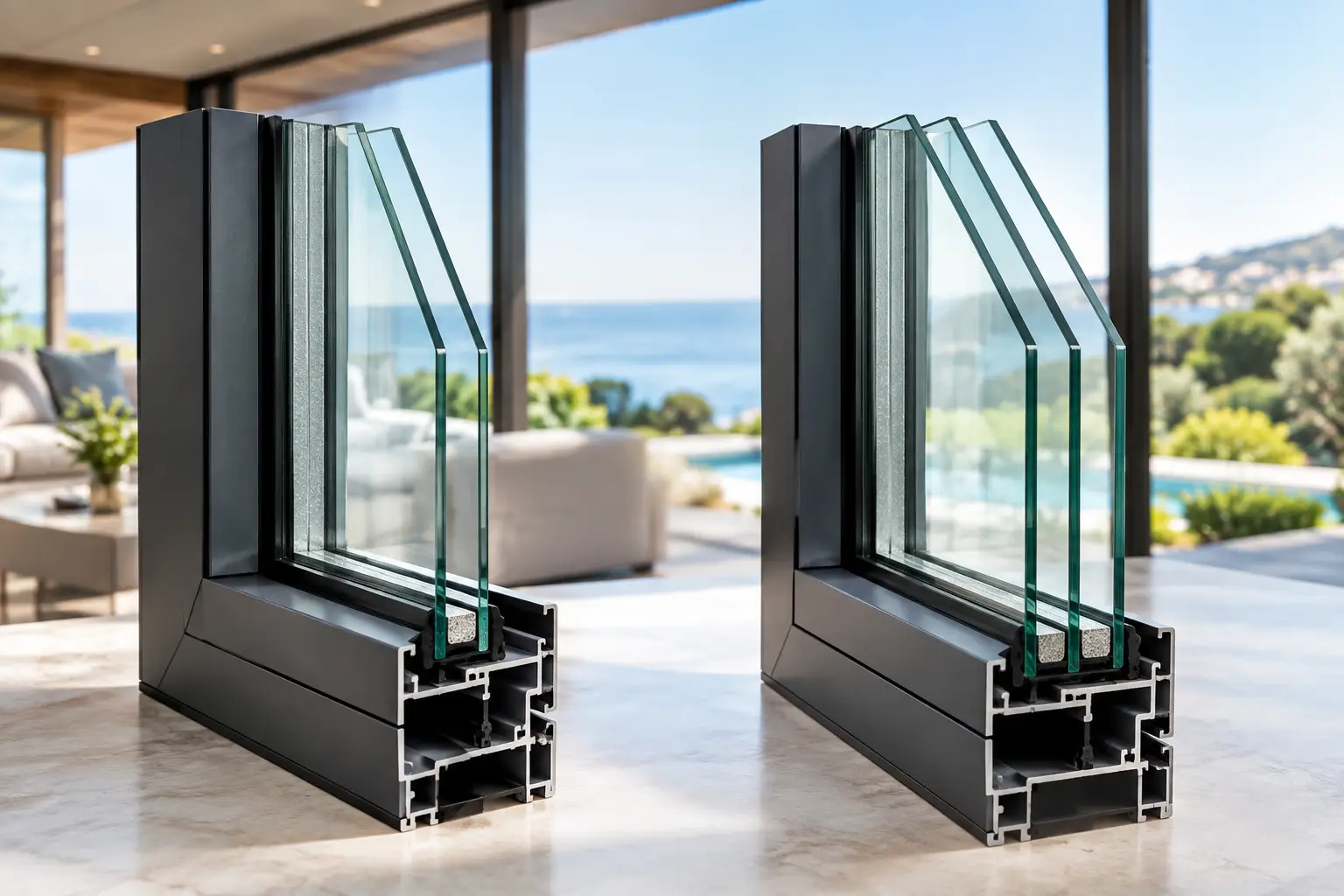
Double glazing has two panes of glass separated by a sealed gap. Triple glazing adds a third pane, creating two sealed gaps. These cavities are usually filled with an insulating gas, such as argon, and the glass may have a low-emissivity coating that helps reflect heat back into the room.
That extra pane gives triple glazing the potential to reduce heat loss further. It can also improve internal comfort by keeping the inner glass surface warmer, so you are less likely to feel a chill when sitting near a window on a winter evening.
However, glazing performance is not determined by pane count alone. Spacer bars, glass specification, cavity depth, frame material, opening style and the quality of fitting all affect the final result. A well-specified double-glazed window in a high-performing frame can be a much better investment than poorly designed or poorly installed triple glazing.
Triple versus double glazing: thermal performance
Thermal performance is usually expressed as a U-value. The lower the U-value, the less heat passes through the window or door. Triple glazing can achieve lower U-values than double glazing, which is why it is often considered for energy-conscious new builds, loft conversions and major refurbishments.
In practical terms, triple glazing may be particularly worthwhile where there are large areas of glass, exposed elevations or rooms that are used every day. A north-facing kitchen extension with wide sliding doors, for example, has different demands from a small, sheltered first-floor bedroom.
There is an important distinction between centre-pane and whole-window U-values. Centre-pane figures only measure the glass itself, while whole-window figures include the frame and edge details. For a useful comparison, always ask for the whole-window value for the exact system being quoted. This gives a clearer picture of the performance you will receive once the window is installed.
Double glazing remains a strong choice for many homes. Modern units with the right coating, gas fill and warm-edge spacer can provide a substantial improvement over older double glazing or single glazing, especially when paired with quality aluminium, timber, uPVC or steel systems designed for thermal efficiency.
Will triple glazing make your home quieter?
It can, but three panes do not automatically mean the best acoustic result. Noise reduction depends largely on the thickness of the glass, the gap between panes, the type of acoustic interlayer used and, crucially, how well the window seals against the frame and surrounding wall.
For homes near busy roads, rail routes or regular aircraft noise, an acoustic glass specification may be more valuable than simply adding a third pane. Using panes of different thicknesses can help disrupt different sound frequencies. Laminated acoustic glass can offer a further improvement where noise is a particular concern.
A detailed survey matters here. A window is only one possible route for sound to enter a room. Vents, wall construction, poorly sealed reveals and doors can also affect the result. Honest advice should consider the whole opening rather than promising that any glazing option will remove outside noise completely.
Comfort, condensation and solar gain
The most noticeable benefit of triple glazing is often comfort rather than a dramatic change in heating bills. Because the internal pane stays warmer, there is less radiant cold from the glass. That is valuable in rooms with large window openings, where people sit close to the glazing, or in homes where temperatures tend to vary between floors.
Triple glazing can also reduce the likelihood of internal condensation because warmer internal glass is less likely to fall below the dew point. It will not eliminate condensation caused by high humidity, though. Cooking, showering, drying clothes indoors and inadequate background ventilation can still create moisture on windows. Managing ventilation remains part of keeping a healthy home.
Solar gain also deserves consideration. Windows facing south or west can benefit from useful winter sunlight, but they may contribute to overheating in summer, particularly in highly insulated extensions with rooflights or large glazed elevations. The glass coating should be selected for the orientation and design of the room. In some schemes, solar-control glazing, shading and ventilation are more significant than choosing between double and triple units.
The trade-offs: cost, weight and design
Triple-glazed units are typically more expensive than double-glazed equivalents. They are also heavier, which can affect the size of opening sashes, hinge selection and the suitability of certain slimline or heritage-style systems. This does not mean triple glazing is unsuitable for aluminium or steel windows and doors, but the system must be engineered to accommodate it properly.
For period homes, sightlines and proportion can be as important as thermal figures. A sympathetic replacement should retain the character of the property while improving security and comfort. Depending on the window design and planning considerations, a high-quality double-glazed heritage system may be the most balanced solution.
For contemporary projects, the decision can be different. A new-build home with expansive fixed glazing, a large roof lantern or wide sliding doors may benefit from the additional insulation of triple glazing, provided the frame system, glass specification and structural details have been considered as one package.
It is also worth looking at value across the whole project. Spending more on triple glazing for one exposed elevation may be sensible, while specifying high-performance double glazing elsewhere could make better use of the budget. Glazing does not have to be identical throughout a property if each choice is purposeful and visually consistent.
When double glazing is likely to be the right choice
Double glazing is often the practical choice for standard replacement windows in homes that already have reasonable insulation, efficient heating and no unusual exposure to wind or cold. It can deliver excellent thermal performance, a wide choice of styles and more flexibility in slimmer frames or opening sections.
It is also well suited to projects where the main objective is replacing tired, draughty or misted units. The improvement from old glazing to a modern double-glazed system can be considerable, particularly when the installation includes careful sealing, insulated perimeter details and correctly adjusted locks and hinges.
If sound is the priority, a tailored double-glazed acoustic specification may outperform a standard triple-glazed unit. This is why comparing quotations based only on the number of panes can be misleading.
When triple glazing is worth considering
Triple glazing deserves serious consideration for highly insulated new builds, substantial renovations and rooms with a large proportion of glass. It can be particularly beneficial on north-facing elevations, in exposed locations and where occupants want the most even internal temperatures possible.
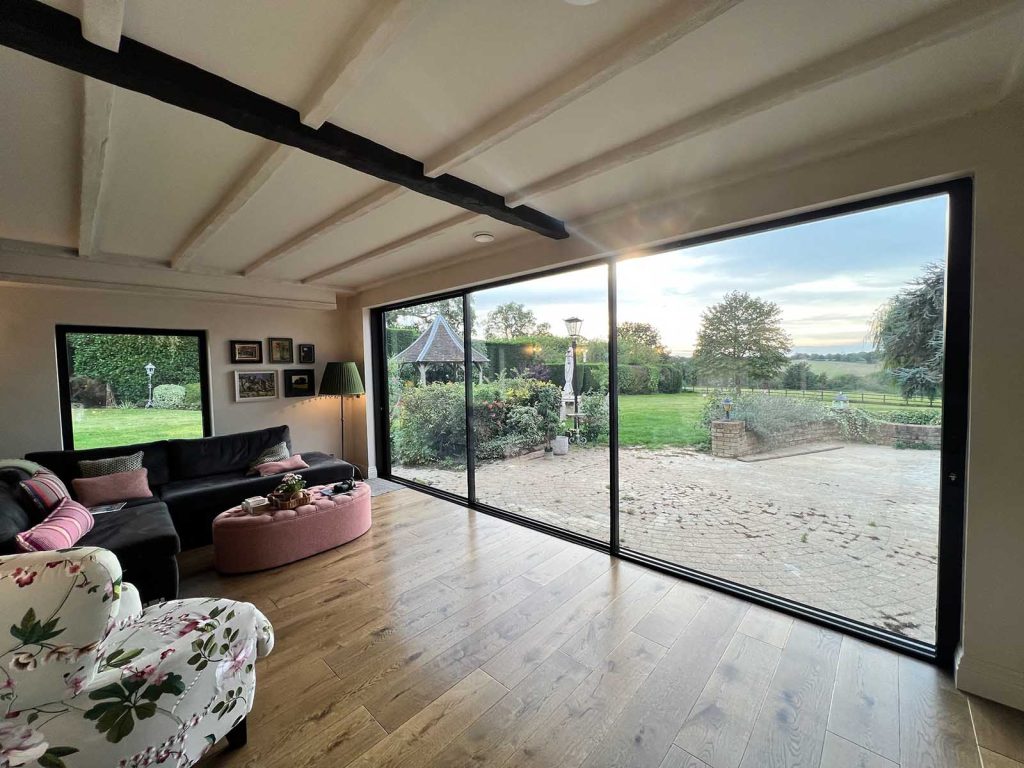
It may also suit extensions where a warm, open-plan kitchen or living space is being created around large sliding doors, bifolds, rooflights or fixed architectural glazing. In these rooms, warmer inner glass can make the space more enjoyable through the colder months.
The strongest case for triple glazing is where the additional cost is balanced by the performance of the entire building fabric. Walls, roof, floors, ventilation and glazing should be considered together. Adding triple glazing to a poorly insulated room may help, but it cannot compensate for heat loss elsewhere.
How to make the right comparison
Ask for like-for-like quotations that state the glazing build-up, whole-window U-value, frame system, glass coatings and any acoustic or solar-control features. Check whether the quoted figure applies to fixed panes only or to opening windows too. For doors, confirm the performance of the complete door set, not just the glass.
A proper survey should also identify structural limitations, required ventilation, sightline preferences and how the new products will meet the existing reveals. Installation is not an afterthought. Even premium glass cannot perform as intended if the frame is poorly fitted or gaps around it are left inadequately sealed.
At E&A Windows, the most useful starting point is usually the room itself: how it is used, which direction it faces, what is outside it and what you want to improve. That approach avoids hard sales and helps match the glazing specification to the property rather than treating triple glazing as an automatic upgrade.
Before committing, stand in the rooms that feel coldest or noisiest at the times you notice the issue most. Those observations, combined with an experienced survey, will point you towards a glazing solution that looks right, performs reliably and continues to feel like a worthwhile improvement long after installation day.