
Steel Door Comparison for Homes and Projects
- 30 August 2026|
- News
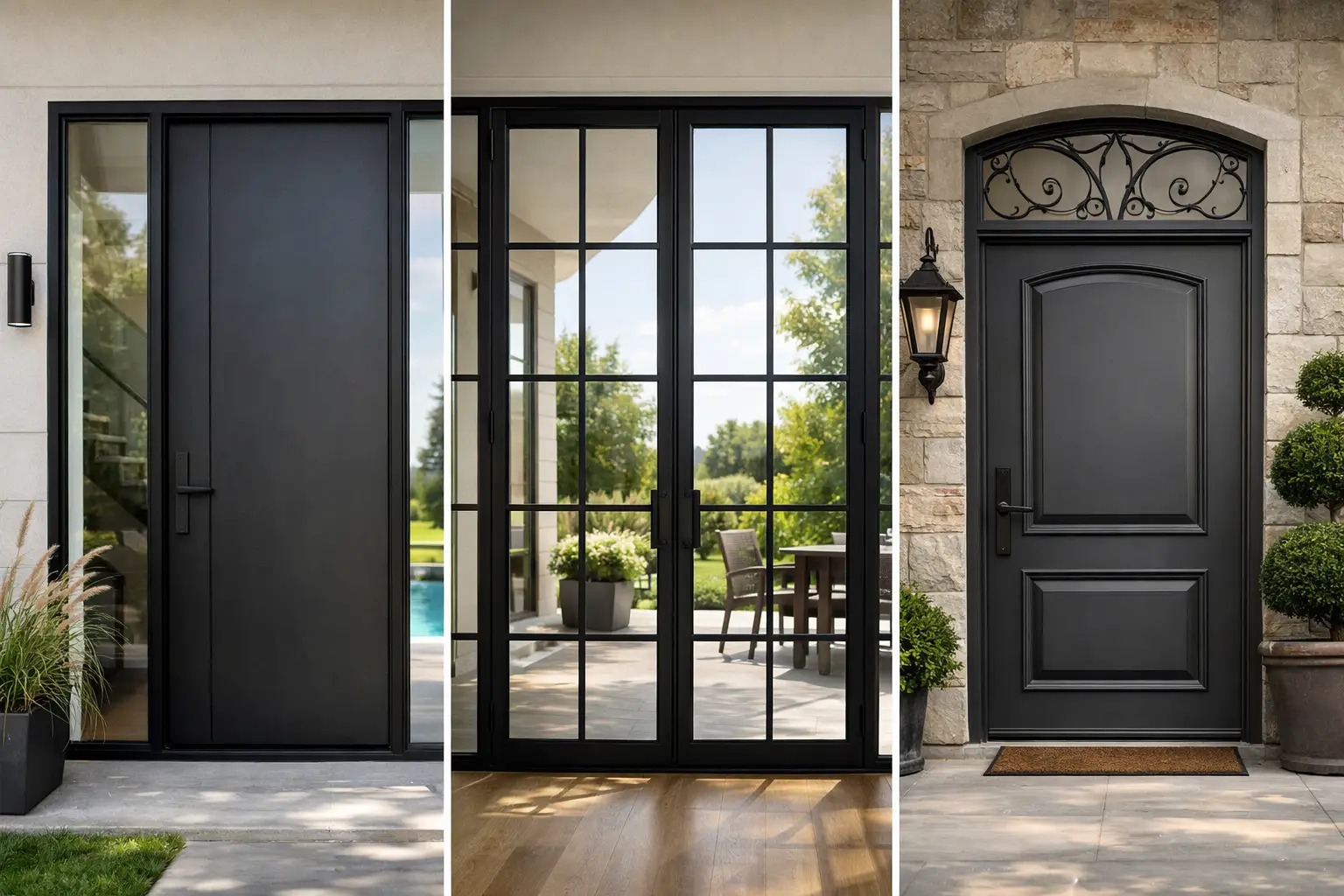
A slim steel-framed door can change the feel of a kitchen extension more than almost any other single detail. Its fine sightlines bring in light without making the opening feel bulky, while a solid steel entrance door can create a very different impression: substantial, secure and purpose-built. A useful steel door comparison starts by separating these two applications, then looking beyond appearance at warmth, security, configuration, installation and long-term value.
For homes in Radlett, St Albans, Harpenden, Watford and across North London, the right choice depends on the property as much as the door itself. A listed cottage, a Victorian renovation and a contemporary new-build can all suit steel, but they will not necessarily need the same system.
What Are You Comparing?
The phrase steel door can describe several products. Internal steel doors are usually glazed partitions or hinged doors, often with narrow black frames and horizontal or vertical glazing bars. They are popular for separating a kitchen from a hallway, home office or living space without losing daylight.
External steel-framed doors are glazed systems designed for weather exposure. They may be French doors, single doors or larger glazed screens, and require thermal breaks, weather seals and suitable double or triple glazing. Security steel entrance doors are another category altogether. These are insulated solid-door systems, specified primarily for high security, advanced locking and a striking front elevation.
Comparing like with like prevents disappointment. An elegant internal glazed door should not be judged against a high-security entrance door, and a heritage-style external steel screen should not be expected to perform exactly like a heavily insulated composite front door.
Steel Door Comparison: The Details That Matter
Sightlines and architectural character
Steel has exceptional strength, which allows very slim profiles around glass. This is its defining advantage. The frame can be visually light while still supporting substantial glazed panels, making it especially effective for extensions, garden rooms and internal partitions where a clear view and natural light matter.
The look is often associated with industrial-style glazing, but it is not limited to black grid patterns. Steel doors can be designed with restrained glazing bars, larger uninterrupted panes and finishes chosen to complement a traditional or contemporary scheme. In period homes, fine-profile steel can feel more authentic than a thicker modern alternative, particularly where original metal windows or doors are being restored.
There is a trade-off. More glazing bars create character but also increase frame lines, cleaning points and cost. They can be exactly right for a heritage property, while a minimal layout may better suit a modern rear extension.
Thermal performance and comfort
Older steel doors and windows earned a reputation for feeling cold. Modern externally rated steel systems are different, but performance still depends on the whole specification: the profile, thermal break, glass unit, spacers, seals, threshold and quality of installation.
For an external door, ask about the declared U-value for the complete installed system rather than the glass alone. A high-performing glazed unit is valuable, but it cannot compensate for a poorly designed frame or gaps around the opening. Solar gain matters too. A south- or west-facing glazed elevation can make a room pleasantly bright in cooler months but uncomfortably warm in summer unless glazing and shading are considered carefully.
Solid insulated steel entrance doors can offer very strong thermal performance, although the final result varies by model, size, glazing inserts and hardware. If energy efficiency is your main priority for a large opening, slimline aluminium, timber or premium composite alternatives may deserve equal consideration. The best option is not always the material with the smallest frame.
Security and locking
Steel is naturally associated with strength, but security is a system rather than a material label. The frame, hinge design, cylinder or locking mechanism, glass specification, installation fixing and the surrounding wall all play a part.
For a front door, look for independently tested security ratings where appropriate, including PAS 24 or RC classifications. Luxury steel entrance doors can also be specified with motorised locking, smart access, fingerprint recognition or facial recognition. These features can be practical for busy households, but they should be selected with a clear plan for power supply, access control and backup entry.
For glazed external doors, laminated glass may be worth considering, particularly in accessible locations. It can improve security and helps hold the pane together if broken. Internal steel doors usually need safety glass, but their security requirements are naturally different from those at the front or rear of a property.
Cost and long-term value
Steel doors tend to sit at the premium end of the market. Bespoke sizing, slim profiles, specialist glazing, welded construction and careful finishing all contribute to the price. Complex grid designs, oversized panels, arched openings and unusual colours will increase it further.
That does not mean steel is automatically better value. A well-designed aluminium system may achieve a similar contemporary effect at a lower cost, while a composite entrance door can offer excellent insulation and security for a more straightforward replacement project. Steel earns its place when its particular visual refinement, strength or security specification is central to the brief.
Maintenance is usually modest but should not be ignored. Externally exposed finishes need periodic cleaning and inspection, especially around coastal conditions, sheltered damp areas or heavily used thresholds. Prompt attention to chips in a painted finish helps protect the surface. Hinges, locks and drainage routes should also be checked as part of normal home maintenance.
Steel, Aluminium, Timber or Composite?
Aluminium is often the closest alternative for external glazed doors. It is lightweight, low-maintenance and available in many configurations and colours. Good aluminium systems have thermal breaks and can perform very well in modern extensions. Their frames are generally thicker than true steel profiles, although slimline aluminium can look refined and is often an excellent practical choice for large openings.
Timber brings warmth and depth that neither steel nor aluminium can replicate. It can be especially appropriate for conservation areas, traditional homes and interiors where natural materials are a priority. It requires more regular care, however, and its suitability depends on exposure, finish and a willingness to maintain it properly.
Composite doors are usually considered for front entrances rather than glazed screens. They offer strong insulation, a wide choice of traditional and contemporary designs, and dependable everyday security. They are not intended to provide the fine-framed glazed aesthetic of steel, but they can be a sensible answer where kerb appeal, thermal comfort and budget all need to work together.
For internal partitions, aluminium and steel can both create a glazed room divider. Steel often delivers the finer, more architectural line, while aluminium may provide a more cost-conscious route for certain layouts. The room’s use matters as well. A home office may benefit from acoustic glass and carefully considered seals, whereas a decorative lounge partition may place greater emphasis on sightlines.
Do Not Overlook the Opening
A door is only as good as the opening prepared for it. Before ordering, a detailed survey should assess structural support, floor levels, drainage, wall construction, plaster lines and the condition of the existing aperture. This is particularly important when replacing old doors in a period property, where openings are rarely perfectly square.
Threshold design deserves close attention. A low threshold improves access and creates a cleaner transition to a patio, but it must be detailed correctly to manage rainwater. For an extension, coordination with the builder, flooring contractor and structural engineer can avoid awkward level changes or visible compromises later.
At E&A Windows, the aim is to make these decisions clear before manufacture, with practical advice rather than no hard sales. The right configuration, glass and finish should suit how the property is used, not simply follow a trend.
Choosing With Confidence
Start with the job the door needs to do. If you want an internal light-sharing partition, prioritise layout, sightlines, safety glass and how the door will operate in daily life. For a glazed external opening, focus on tested thermal performance, weathering, drainage, security and the relationship between the frame and the wider glazing scheme. For a statement front entrance, compare insulation, independent security ratings, locking options and the level of privacy you want.
A well-specified steel door should feel considered rather than merely expensive. Take samples into the actual room, view finishes in daylight, and make sure the survey accounts for every junction around the opening. That care at the beginning is what gives a beautiful door the chance to perform well for years to come.