
uPVC Versus Timber Frames for Your Home
- 14 August 2026|
- News
A sash window on a Victorian home in St Albans and a picture window in a contemporary Radlett extension may both need excellent insulation and security, but they do not need to look or perform in quite the same way. The choice between uPVC versus timber frames is therefore about more than budget. It is about the character of the property, the level of upkeep you are comfortable with and what you expect from the windows over the coming decades.
Both materials can provide attractive, secure and energy-efficient results when they are properly specified and professionally installed. The best option is the one that suits the building, planning requirements and your priorities – not simply the material with the lowest initial price.
uPVC versus timber frames: the key differences
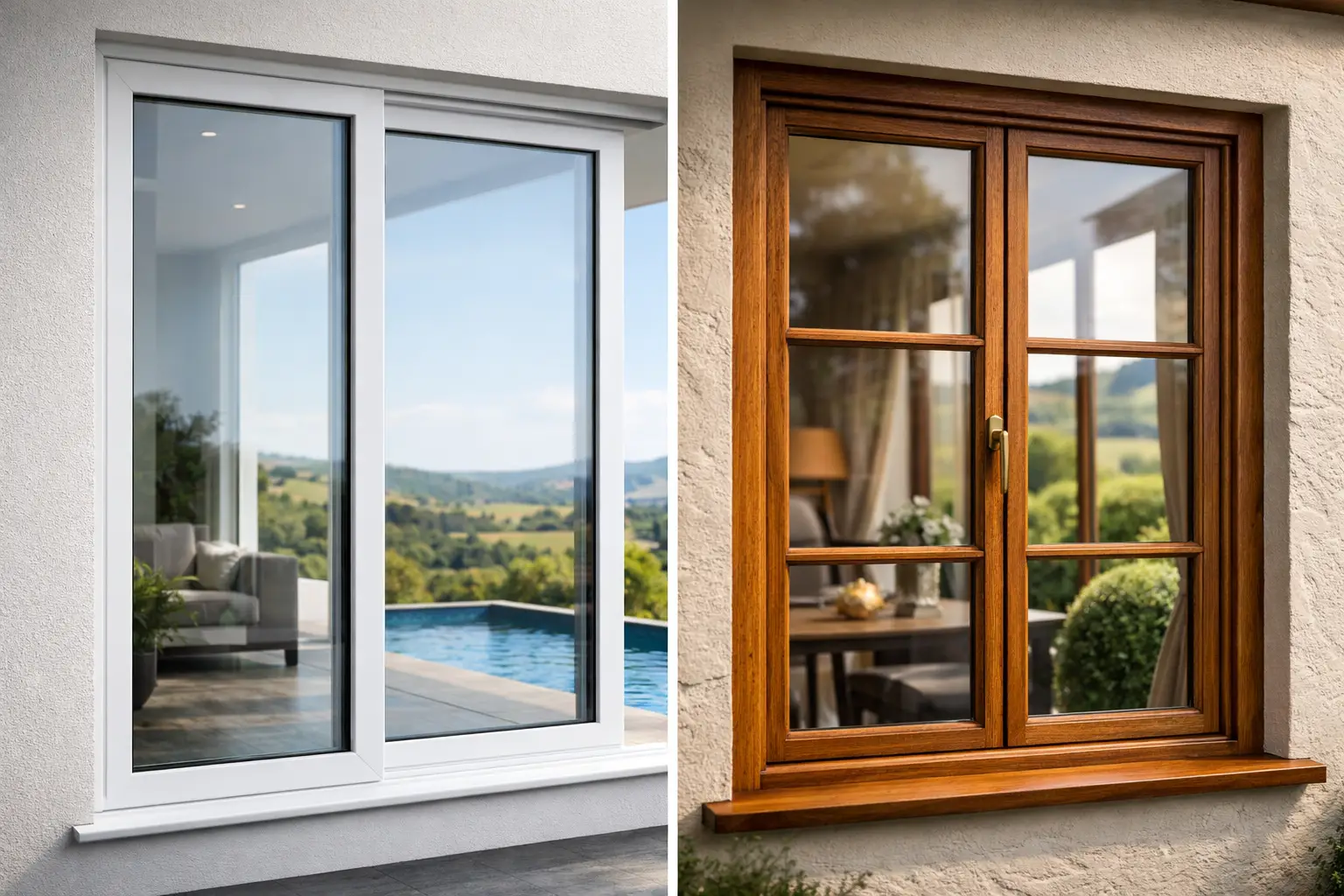
uPVC and timber window frames approach the same job from very different starting points. uPVC is an engineered, low-maintenance material, available in a wide range of configurations and finishes. Timber is a natural material with depth, grain and an appearance that is difficult to replicate exactly, particularly on traditional homes.
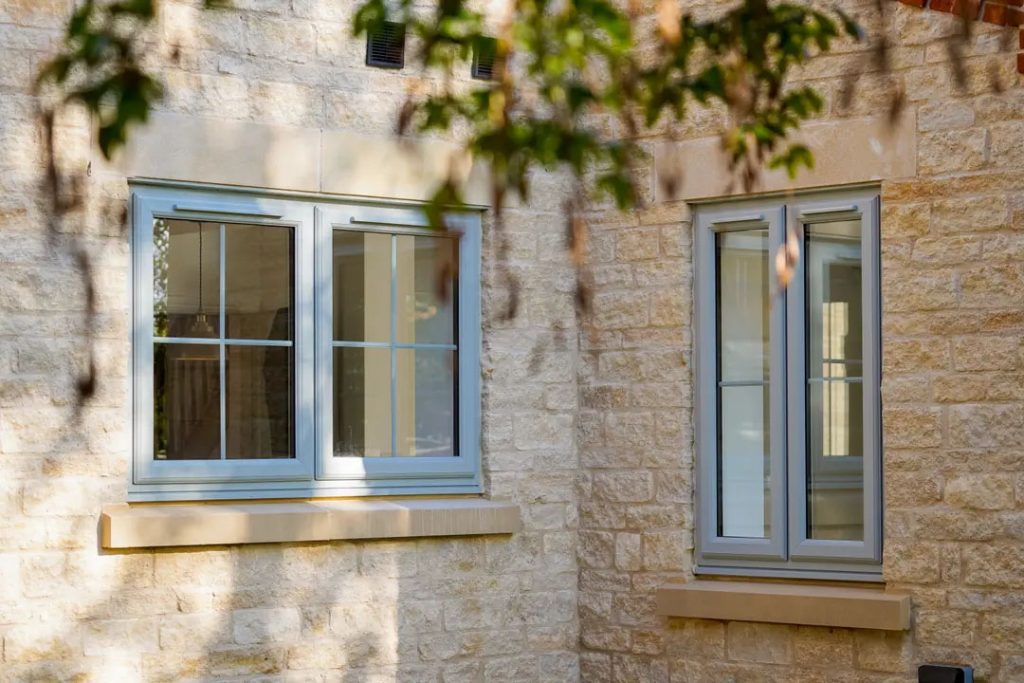
Modern uPVC has moved well beyond the plain white replacement windows many people remember. Quality systems can include flush casements, slim-looking proportions and convincing woodgrain finishes. This makes uPVC a practical consideration for many properties, including homes where a traditional style is wanted without regular repainting.
Timber, meanwhile, remains a natural choice for period properties, conservation areas and homeowners who want an authentic finish. It can be shaped, painted and detailed to reflect original joinery, from Georgian sliding sashes to elegant traditional casements. The material also brings a visual warmth that often complements brick, stone and rendered elevations particularly well.
Appearance and property character
For a listed building or a home within a conservation area, timber may be required by the local planning authority. Even where it is not mandatory, it can be the right visual decision. Fine glazing bars, putty-style detailing and traditional mouldings can help replacement windows sit comfortably within the original architecture.
That does not mean uPVC is unsuitable for every older property. Carefully selected flush designs and heritage-style systems can be an excellent alternative where planning allows, especially for 1930s, post-war and later homes. The quality of the profile, colour, hardware and installation matters far more than choosing a generic style from a brochure.
For newer homes, extensions and whole-house upgrades, either material can work well. A painted timber frame can soften a contemporary scheme, while anthracite grey, black or wood-effect uPVC can create a clean, tailored finish with minimal ongoing care.
Energy efficiency and comfort
Both timber and uPVC are naturally insulating frame materials. With modern double glazing, carefully designed seals and the correct glass specification, either can help reduce draughts, heat loss and outside noise compared with ageing single-glazed or poorly fitted windows.
It is worth looking beyond a headline U-value. The glass, spacer bars, opening design, frame depth and installation all affect the completed window’s performance. A high-performing unit will not deliver its full benefit if gaps around the frame are poorly sealed or the survey has not accounted for the condition of the opening.
Timber has excellent thermal properties and does not conduct heat readily. uPVC also performs very well, using multi-chambered profiles that trap air and improve insulation. In practice, there is rarely a simple winner on thermal performance alone when comparing quality, like-for-like systems. The better question is whether the proposed window meets the energy needs of your home and is specified appropriately for its orientation, exposure and use.
For bedrooms facing a busy road, acoustic glazing may be as valuable as thermal improvement. For south-facing elevations, solar control glass can help manage overheating. These decisions should be considered alongside the frame material rather than after it has been chosen.
Maintenance: the clearest practical divide
Maintenance is where the decision is often made. uPVC needs little more than occasional cleaning with mild soapy water, plus a periodic check of handles, hinges and drainage channels. It will not require painting, and a good-quality system should retain a smart appearance for many years.
Timber needs a more active maintenance plan. Modern factory-finished timber windows are far more durable than older painted joinery, but coatings should still be inspected regularly. The timing for redecoration varies according to the product, colour, exposure and maintenance routine. Windows on a sheltered elevation will usually have an easier life than those exposed to driving rain and strong sun.
This should not be seen as a weakness if you value the material and are prepared for the care it requires. Timber can often be repaired, sanded and refinished, which may extend its life considerably. However, homeowners who want a fit-and-forget solution are likely to find uPVC the more comfortable choice.
Cost now and value over time
uPVC is usually the more cost-effective option at the point of purchase. It offers strong energy performance, reliable security and a broad choice of designs at a price that works well for many replacement projects.
Timber generally costs more because of the material, craftsmanship and finishing involved. Bespoke sizes, specialist glazing bar layouts and heritage details can add further cost. On the right property, however, timber may protect or enhance kerb appeal and can be a sound investment in the building’s character.
Comparing quotations should involve more than comparing the bottom line. Check what is included: survey, removal of existing frames, making good, trims, glass specification, hardware, waste removal, guarantees and aftercare. A transparent quotation makes it easier to understand the true value of each option and avoids unwelcome additions later.
Security and durability
A well-made modern window in either material can offer a high level of security. Multi-point locking, internal beading, secure hinges and toughened or laminated glass where appropriate all play a role. Windows should be assessed as a complete system, not judged solely by the frame material.
uPVC does not rot and is unaffected by insect attack, making it particularly dependable in damp or exposed locations. Quality matters here: cheaper frames may be more prone to discolouration, warping or a less refined appearance over time, whereas established systems with reinforced sections and good hardware are designed for long-term use.
Timber is durable when it is correctly manufactured, finished and maintained. Water is its main enemy, so thoughtful detailing is essential. Proper drainage, sealed joints, quality paint systems and accurate installation protect the frame from moisture ingress. Timber windows should never be dismissed as short-lived simply because older examples have deteriorated; their performance depends greatly on the quality of the modern product and its care.
When each option makes most sense
uPVC is often the sensible choice for homeowners replacing windows across a family home, improving energy efficiency or working to a defined renovation budget. It is especially attractive where low maintenance is a priority and a suitable style is available for the property.
Timber is often the better choice for listed homes, properties in conservation areas or houses with original period features worth retaining. It also suits owners who place exceptional value on natural materials and are happy to maintain them. In some projects, a mix can be appropriate: timber at the principal elevation where appearance is most important, with another suitable system in less visible areas, subject to planning requirements and a cohesive design.
Make the decision after a proper survey
Photographs and samples are useful, but they cannot reveal every issue. Existing masonry, reveals, lintels, access, ventilation needs and local planning restrictions can all influence the right specification. A proper survey should also establish whether the new frames need to match original sightlines, whether the property suffers from condensation or draughts, and how the windows will meet current building requirements.
At E&A Windows, the focus is on giving clear, no-pressure advice before recommending a system. For projects across Hertfordshire and North London, that means considering the home as a whole – its architecture, practical demands and the finish you want to live with.
The most satisfying replacement windows are rarely chosen because one material is universally better. They are chosen because every detail, from the frame finish to the glazing and installation, feels right for the home and remains right long after the work is complete.