
Entrance Door Guide for Safer, Smarter Homes
- 25 September 2026|
- News
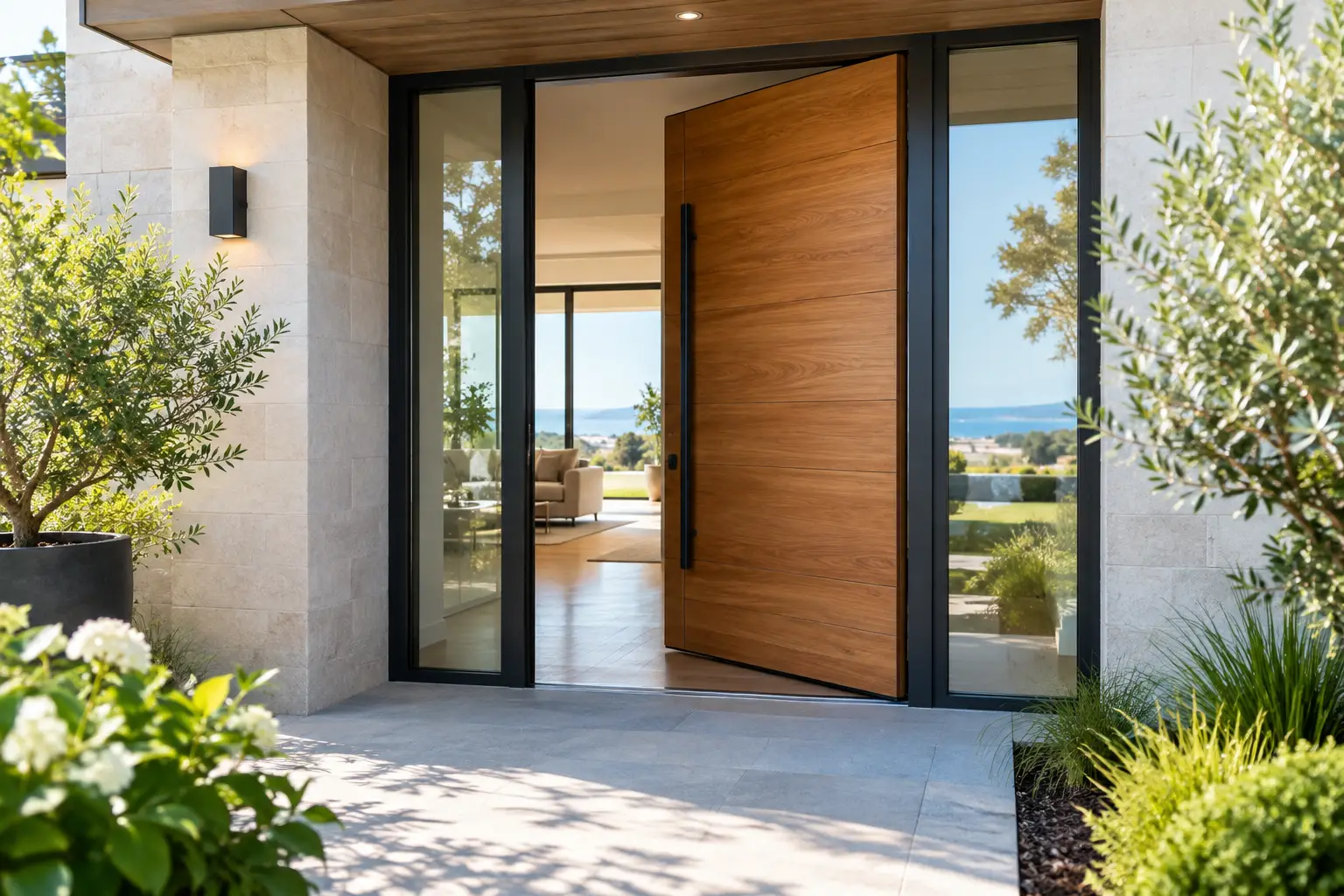
A new front door can change the way a home feels before anyone has stepped inside. It sets the tone from the pavement, protects the people and possessions behind it, and can make a noticeable difference to warmth and draughts. This entrance door guide explains the choices that matter most, so you can invest with confidence rather than simply choosing the first style that catches your eye.
Entrance door guide: begin with the property
The right entrance door should belong to the house. A contemporary extension in Harpenden may suit a crisp aluminium design with large glazed panels, while a period property in St Albans may call for traditional proportions, a solid panel layout and heritage-inspired hardware. The aim is not to follow a trend blindly, but to find a door that complements the brickwork, windows, porch and overall character of the building.
Start by looking at the existing opening. Is the current frame square and sound? Is there enough covered space for a door that opens outwards? Would a side panel bring more daylight into a dark hallway, or would it compromise privacy? These practical details influence the best solution as much as colour or handle choice.
For homes with a strong architectural identity, consistency matters. Matching the finish and sightlines of nearby windows can make a replacement look considered rather than added later. Equally, a statement entrance door can work beautifully on a simpler elevation, provided its scale and glazing are carefully balanced.
Choose a material that suits your priorities
There is no single best door material. The right choice depends on the appearance you want, the level of maintenance you are comfortable with, your budget and the performance required.
Composite doors are a popular option for family homes because they offer a substantial feel, strong thermal performance and a wide choice of traditional and contemporary designs. Premium composite systems can replicate the appearance of timber without the same routine upkeep. They work particularly well for homeowners who want colour, character and dependable security in one package.
Aluminium entrance doors suit modern renovations and new-build properties exceptionally well. Their strength allows for clean lines, larger formats and smart detailing. They are also highly durable and low maintenance. An aluminium door can be an excellent long-term choice where a bold RAL colour, a flush finish or contemporary glazing is central to the design.
Timber offers natural warmth and authenticity that are hard to imitate, making it a strong choice for character homes, conservation-sensitive projects and clients who value traditional craftsmanship. It does require care over its lifetime, especially on exposed elevations, but a well-specified and properly maintained timber door can provide outstanding results.
Steel entrance doors sit at the premium security end of the market. They are designed for projects where security, engineering and architectural impact are equally important. Options can include advanced smart locking, motorised systems, fingerprint or facial recognition access, PAS 24 and RC-rated security. For higher-risk or specialist applications, ballistic-resistant specifications may also be available. This level of protection is not necessary for every home, but it can be appropriate for luxury properties, commercial premises and clients with particular security requirements.
Security is more than the lock
A good-looking door is only as secure as the complete installation. The frame, hinges, cylinder, locking points, glazing and fixing method all need to work together. A high-quality multi-point locking system is a sensible baseline, but the correct specification depends on the door type and property.
If the door includes glass, ask how that glazing is secured and whether laminated or toughened safety glass is appropriate. Obscure glass can preserve light while protecting privacy, particularly where a hallway faces a busy road or close neighbouring property. Letterplates, spy holes and handles should also be chosen with security in mind, rather than treated as purely decorative extras.
For many homeowners, smart access is becoming an appealing addition. Keypad, app-based, fingerprint and motorised locking systems can be convenient, particularly for busy households or homes used by cleaners, tradespeople or older children. However, smart technology should complement a mechanically sound door, not distract from it. Consider how it will be powered, who will manage access and what happens if a battery needs replacing.
Thermal performance and weather protection
A front door is often one of the most exposed parts of a property. Wind-driven rain, low winter temperatures and direct afternoon sun can all test its performance. A properly specified entrance door helps reduce heat loss, cold spots and draughts around the threshold.
Look beyond the headline U-value. The overall result depends on the door leaf, frame, glazing, seals, threshold and the quality of the fitting. A poor installation can leave gaps around an otherwise excellent product, while an incorrectly specified threshold may create difficulties for access or weather protection.
Glazed panels are a useful way to brighten an entrance hall, but they involve a trade-off. More glass can mean more light and a lighter-looking façade, while a solid door may offer greater privacy and a more traditional appearance. Modern insulated glazing can perform very well, so the decision is often about orientation, privacy and the look of the home rather than energy efficiency alone.
Get the proportions, glazing and colour right
The details are what turn a suitable door into one that feels made for the property. A tall handle can reinforce a contemporary design, while a traditional knocker and letterplate may be more appropriate for a Victorian or Georgian-style frontage. Hardware finishes such as black, brushed stainless steel, antique bronze and polished chrome should relate to exterior lighting, railings and window furniture where possible.
Colour deserves the same thought. Deep blues, greens and blacks remain popular because they sit comfortably against many Hertfordshire brick tones, but a softer neutral can be equally effective on a rendered or timber-clad home. Strong colours can look striking, although they should be viewed in natural light and alongside the permanent materials of the façade.
Side panels and fanlights are worth considering when the opening allows. They can create a more generous entrance and bring daylight into the hall, especially in a wide porch. The key is to maintain sensible proportions. A narrow door beside an oversized glazed panel can look unbalanced, while carefully divided glazing can add elegance and privacy.
Survey before committing to the design
Online images and showroom displays are useful starting points, but a professional survey is where the important decisions become real. The surveyor checks the opening, structural condition, floor levels, access, drainage, frame depth and any existing issues that could affect the installation.
This stage can also uncover details that change the specification. For example, an uneven threshold may need addressing before a low-access option can be fitted. A deeply recessed doorway may affect the swing and handle position. In a listed building or conservation area, planning or listed building consent may be required for certain changes, particularly where the replacement alters the appearance of the property.
At E&A Windows, clear advice at survey stage helps avoid surprises later. It is the point to discuss practical matters openly: whether you want the door to open in or out, how long manufacture is likely to take, what preparation is needed, and how the team will protect floors and finishes during installation.
Installation is part of the product
Even the finest entrance door will disappoint if it is fitted without care. Accurate setting-out, secure fixings, insulation around the frame and neat internal and external finishing all affect security, weather performance and appearance. The door should operate smoothly, lock cleanly and sit evenly within the frame.
Ask how the old door and frame will be removed, whether making good is included, and how waste will be managed. For a straightforward replacement, installation may be relatively quick. For a larger redesign involving sidelights, structural alterations or new glazing, the programme will need more coordination with builders, plasterers and decorators.
A reputable installer should also explain aftercare. Your new door may need occasional cleaning, hinge adjustment or lock maintenance over time. Knowing who to call and what is covered gives useful peace of mind long after installation day.
A front door is used every day, often without a second thought. Take the time to choose one that feels right in your hand, works reliably in every season and looks at home on the property. That combination of thoughtful design, sound specification and precise installation is what makes an entrance feel welcoming for years to come.