
Aluminium Windows Versus uPVC for Your Home
- 12 August 2026|
- News
A window replacement can change far more than the view. It affects how warm a room feels in January, how much outside noise reaches your home, the character of the façade and the way an extension connects to the garden. When comparing aluminium windows versus uPVC, the right answer is rarely about one material being universally better. It is about choosing the system that suits your property, priorities and budget.
For a family home in Radlett, a period renovation in St Albans or a contemporary extension in Harrow, the decision often comes down to the balance between sightlines, thermal performance, maintenance, colour choice and long-term value. Both modern aluminium and quality uPVC windows can perform extremely well when properly specified and professionally installed.
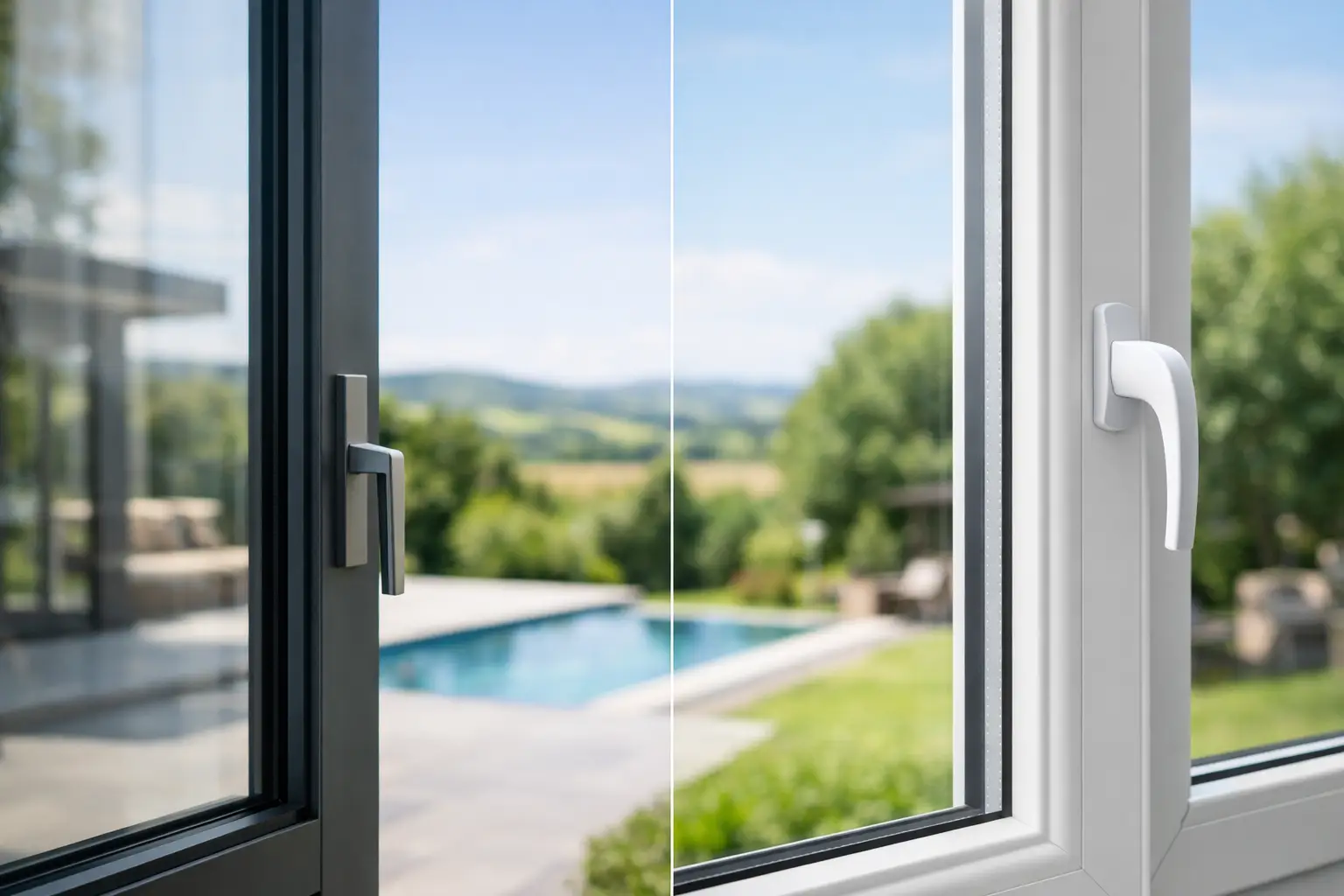
Aluminium windows versus uPVC: the key differences
Aluminium is a strong, lightweight metal that allows manufacturers to create slimmer frames, larger glazed areas and crisp architectural lines. It is a popular choice for contemporary homes, extensions and projects where natural light is central to the design. Modern systems use a thermal break within the frame to reduce heat transfer, making them far removed from the cold metal windows many people remember from older properties.
uPVC is a versatile, insulated plastic profile. It has been a mainstay of replacement window projects for decades because it offers dependable energy performance, low maintenance and good value. High-quality uPVC systems now come in a far broader range of colours, finishes and configurations than the standard white frames of the past.
The material matters, but the complete specification matters more. Glass type, frame depth, opening style, hardware, seals, ventilation and installation quality all influence how a finished window looks and performs.
Design and sightlines
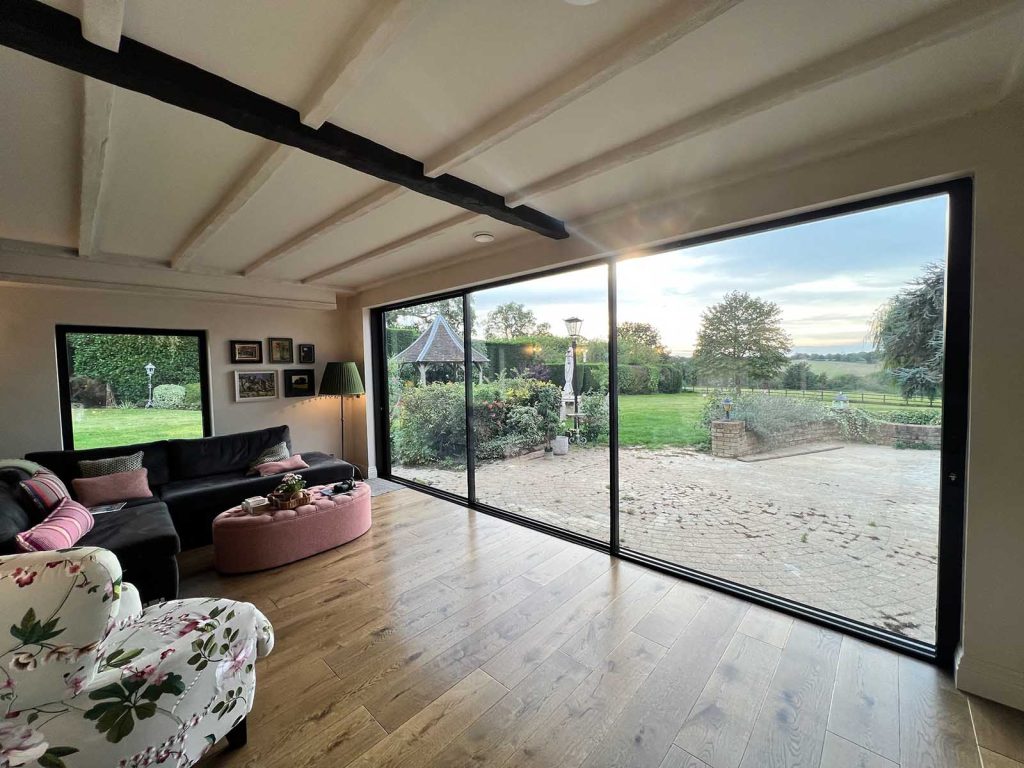
If your priority is a slim, refined frame, aluminium usually has the advantage. Its inherent strength means it can support larger panes of glass with less visible frame around them. This can make a noticeable difference in a kitchen extension, loft conversion or new-build where you want generous daylight and an uninterrupted connection to the outside.
Aluminium is especially well suited to wide fixed windows, tall openings and carefully aligned glazing across a rear elevation. It also works beautifully alongside sliding doors, bifolds and rooflights, where matching frame colours and clean lines help a whole project feel considered rather than pieced together.
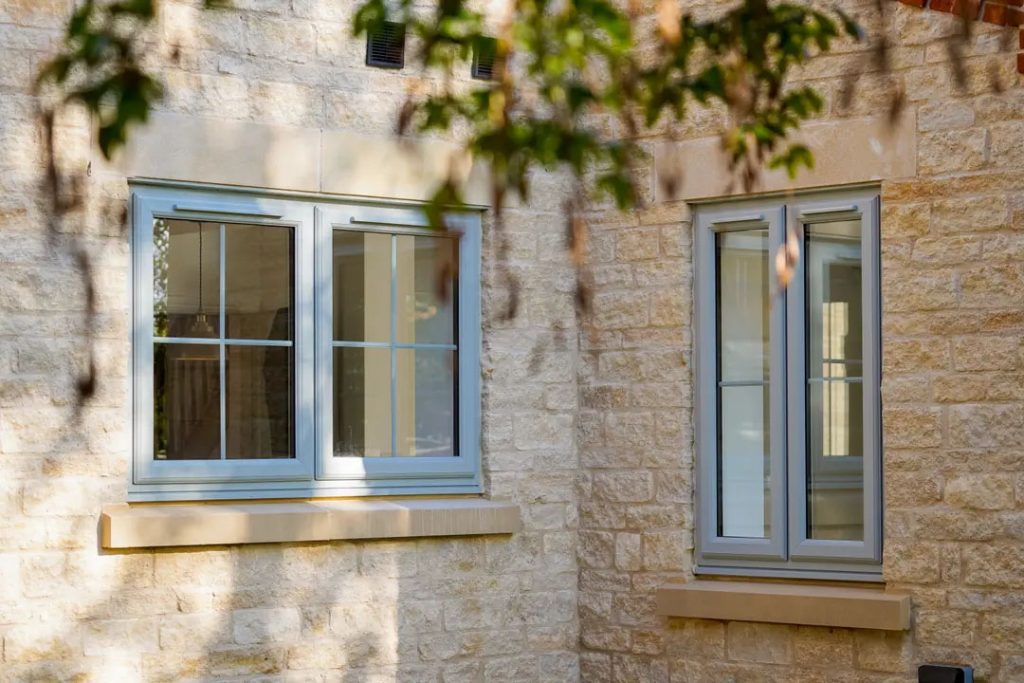
uPVC frames are generally wider because the material needs more profile depth to achieve strength and insulation. That does not mean they are unattractive. A well-chosen uPVC casement or flush sash window can look smart, balanced and entirely appropriate for many homes. For straightforward replacement windows, particularly where the existing openings are modest in size, the difference in sightline may not be a deciding factor.
For period-style properties, the choice needs more care. Some heritage aluminium systems offer fine proportions and traditional detailing, while flush uPVC systems can provide an appealing timber-style appearance at a more accessible price point. In conservation areas or listed buildings, however, planning requirements and the existing character of the property should guide the specification from the start.
Colour and finish
Aluminium offers extensive colour flexibility, including durable powder-coated finishes in popular shades such as anthracite grey, black, white and bespoke RAL colours. Dual-colour frames are also possible, allowing a different finish inside and out.
uPVC is available in white, coloured foils and woodgrain-effect finishes. Premium options have improved greatly, but aluminium tends to offer a more consistent painted finish and greater freedom when a project calls for a particular architectural colour.
Warmth and energy efficiency
Many homeowners assume uPVC is always warmer than aluminium. It is true that uPVC is naturally insulating, whereas aluminium conducts heat. Yet modern thermally broken aluminium frames are designed specifically to address this issue. A polyamide thermal break separates the internal and external parts of the frame, helping the system achieve strong energy ratings when paired with suitable double or triple glazing.
uPVC can often deliver excellent thermal results at a lower starting cost, making it a practical choice for energy-efficiency upgrades across a whole house. For bedrooms, bay windows and standard casement replacements, it can provide a very effective route to lower heat loss and improved comfort.
Neither material should be judged by frame material alone. Ask to see the window’s U-value, which measures heat transfer – the lower the figure, the better the insulation. Also consider the glass specification. Low-emissivity coatings, argon-filled units and warm-edge spacer bars all contribute to thermal performance.
In rooms with large areas of glazing, solar gain also deserves attention. A south- or west-facing extension may benefit from glass that helps manage overheating, rather than simply choosing the lowest possible U-value. A good survey takes account of orientation, room use and existing ventilation, not just a figure on a quotation.
Security and everyday durability
Both aluminium and uPVC can be highly secure when fitted with quality locking hardware, reinforced components and toughened or laminated glass where appropriate. Look for systems designed to meet recognised security standards, and ensure the locks, hinges and handles are suited to the window style.
Aluminium is exceptionally rigid and resistant to warping, swelling and corrosion. This makes it a strong long-term option for exposed elevations and larger openings. It does not rust, and a high-quality powder-coated finish is designed to withstand the changing British weather with minimal upkeep.
uPVC is also durable and will not rot or require painting. Its surface is easy to clean, although very dark foiled finishes on strongly sun-exposed elevations can need careful specification. As with any product, quality varies. A premium uPVC system with strong reinforcement, dependable hardware and careful installation is very different from a budget replacement window selected on price alone.
Maintenance and lifespan
Both materials are low maintenance compared with timber. Routine cleaning with mild soapy water, together with occasional checks of drainage channels, hinges and seals, will keep either option working as intended. Avoid abrasive cleaners or harsh solvents, as these can damage finishes and gaskets.
Aluminium’s finish is particularly stable over time, and its structural strength can make it an attractive investment for homeowners planning to stay in their property for many years. uPVC is equally easy to live with and offers reliable performance, but may be the more sensible option where improving comfort and appearance is the priority without stretching the overall renovation budget.
The lifespan of any window depends on the system, exposure, use and maintenance. Crucially, it also depends on installation. Even the best frame and glass unit cannot compensate for poor survey work, incorrect packing, inadequate sealing or rushed finishing around reveals.
Cost and long-term value
uPVC is usually less expensive than aluminium for comparable window sizes and styles. This can make a considerable difference on a full-house replacement project, allowing homeowners to improve insulation, security and kerb appeal while retaining budget for other works.
Aluminium usually commands a higher initial cost. The premium reflects the material, manufacturing process, slimmer profiles and ability to create larger, more architectural glazed areas. On a high-value renovation, extension or contemporary new-build, that investment can be worthwhile because the windows become a defining part of the design rather than simply a replacement item.
It is worth comparing like for like. A low quotation may omit upgraded glazing, trickle vents, cills, making-good work, colour finishes or high-security hardware. A clear, detailed proposal should explain exactly what is included, so there are no surprises later in the project.
Which windows are right for your property?
Choose aluminium when slim frames, large panes, distinctive colour options or a contemporary architectural finish are high on your list. It is often the natural partner for glazed extensions, expansive rear elevations and homes where light and clean detailing are central to the brief.
Choose uPVC when you want excellent everyday performance, simple maintenance and strong value for standard replacement windows. It is an especially sensible solution for many family homes, rental properties and renovation projects where a well-designed window must work hard without taking up too much of the budget.
There is no rule that says every opening needs the same material. Some homeowners select aluminium for a statement extension or garden-facing elevation, then use high-quality uPVC for less prominent windows elsewhere. The key is to make the choices deliberately, with a consistent appearance and performance level across the home.
At E&A Windows, we believe a proper conversation and survey should come before a recommendation. Looking at your existing property, planned works, preferred style and practical priorities allows you to choose with confidence – no hard sales, just glazing solutions that last.