
Best Windows for Listed Buildings Explained
- 21 September 2026|
- News
A listed property’s windows do far more than keep out the weather. Their proportions, glazing bars, opening method and even the character of the glass can be central to why the building was listed in the first place. That is why finding the best windows for listed buildings is not simply a question of choosing the highest energy rating or the lowest quotation. It is about protecting the building’s character while making it more comfortable, secure and practical to live in.
For homeowners, architects and builders, the right answer is usually a carefully specified window rather than a standard replacement. Original windows should be repaired wherever possible, but when replacement is justified, a bespoke solution can retain the appearance of the property and deliver worthwhile improvements in performance.
Start with the listed building consent position
Before selecting a material, establish what is permitted. Listed Building Consent is commonly required where proposed changes affect the special architectural or historic interest of the property. Windows are often a sensitive element, particularly on principal elevations or where original frames, sashes and glazing survive.
Requirements vary between local authorities and even between buildings in the same street. A window that is acceptable at the rear of one property may not be suitable at the front of another. Conservation officers may want drawings, detailed sections, photographs of existing windows and a clear explanation of why replacement is necessary.
Do not assume that a like-for-like replacement is automatically exempt from consent. Nor should you assume that modern double glazing will be refused. Many authorities will consider well-designed upgrades where they preserve the existing sightlines, opening pattern, frame depth and overall appearance. Early discussion with the relevant conservation officer, supported by an accurate survey, avoids costly changes later.
What makes the best windows for listed buildings?
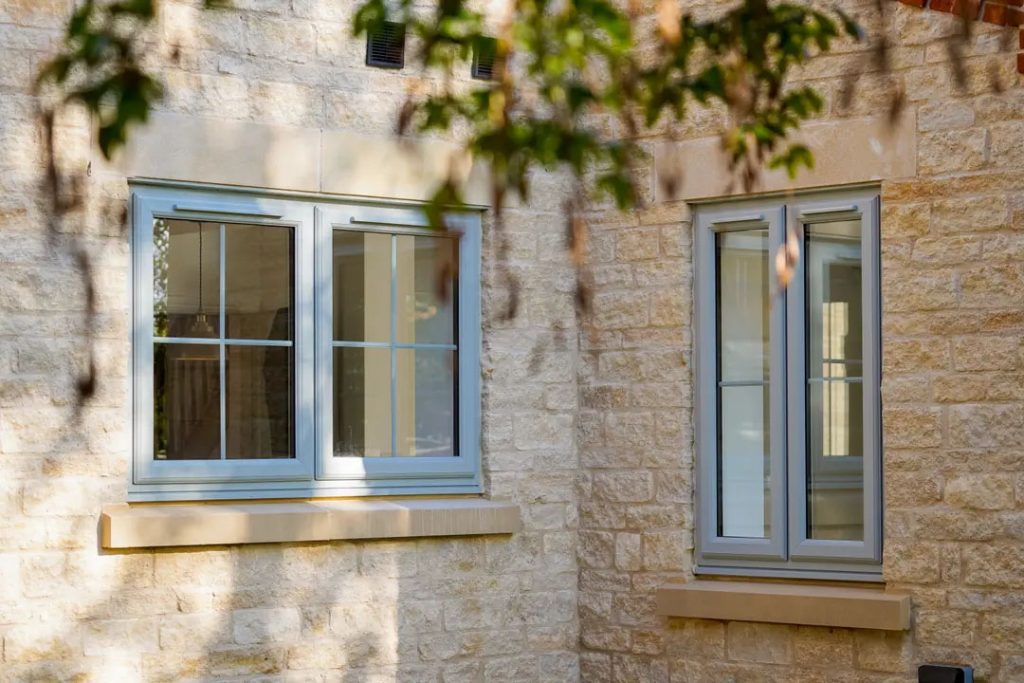
The best solution respects the original design first. A replacement should reproduce the window’s defining details: the width of the frame, the profile of the sash or casement, the position and thickness of glazing bars, the reveal depth and the way the window sits within the opening.
This is where off-the-shelf products can fall short. A standard modern window may have thicker frames, wider meeting rails, visibly different trickle vents or flat applied glazing bars. Even when the colour is close, those differences can make a period façade look altered.
Performance matters too, but it should be considered in context. A listed cottage, Georgian townhouse or Victorian villa may need better draught resistance and acoustic comfort, while a highly exposed property may also benefit from improved security. The aim is a balanced specification that provides modern-day comfort without asking the building to look like a new-build.
Timber windows for authentic period detail
Bespoke timber windows are often the strongest choice where authenticity is the priority. They can be made to closely match original box sashes, flush casements, leaded lights and traditional mouldings. Timber also allows fine profiles that are difficult to achieve with many modern systems.
For a Georgian or Victorian property, a correctly proportioned timber sliding sash can preserve the elegant narrow meeting rails and recessed detailing that define the elevation. For cottages and Arts and Crafts homes, timber casements can be shaped around traditional glazing patterns and period ironmongery.
Modern engineered timber, quality coatings and proper installation have improved durability considerably. However, timber remains a material that benefits from inspection and maintenance. Paint finishes should be monitored, particularly on exposed elevations, and any small areas of deterioration should be addressed promptly. For many listed homes, that ongoing care is a fair trade-off for the most convincing visual result.
Heritage aluminium where a contemporary material is acceptable
Heritage aluminium windows can be a considered option where the planning approach, architectural style and detail allow it. Their slim profiles can suit certain twentieth-century listed properties, industrial conversions and buildings with original steel windows. They are also useful where very narrow sightlines, strength and low-maintenance finishes are priorities.
The key is not to treat heritage aluminium as a universal substitute for timber. Its appearance is different, and a system that looks excellent on a listed mid-century home may feel out of place on an early Georgian façade. Frame sections, glazing bars, handle style and colour should all be chosen with the original building in mind.
Where original steel windows are part of the building’s significance, purpose-made steel replacement windows or careful restoration may be the more appropriate route. Steel offers exceptionally fine lines and can closely reflect historic metal fenestration, though it is usually a higher-investment option.
uPVC and listed properties
uPVC is practical, efficient and widely used in non-listed homes, but it is less commonly accepted on prominent elevations of listed buildings. The frame profiles can be thicker than traditional timber, and the surface finish and joint details may not satisfy conservation requirements.
There are situations where uPVC may be considered, particularly on later additions or less sensitive elevations, but it should never be selected before the consent position is clear. A lower initial cost can quickly become poor value if the product is refused or does not sit comfortably with the property.
Glazing choices need careful thought
Single glazing is often part of a window’s historic character, especially where old crown or cylinder glass remains. Retaining it may be preferred where it is significant and in good condition. Yet many listed homeowners reasonably want a warmer, quieter home.
Slim double-glazed units can sometimes be incorporated into new bespoke frames, provided the frame profile remains convincing and the units are suitable for the application. Their success depends on the detail: forcing a thick sealed unit into a delicate sash can create bulky glazing bars and lose the original proportions.
Vacuum-insulated glass may offer an alternative in certain projects because it can provide improved thermal performance at a reduced thickness. It is not right for every window, and its visual characteristics, cost and suitability should be reviewed as part of the specification.
Secondary glazing is frequently one of the most sympathetic upgrades when original windows are retained. Installed internally, it can reduce heat loss, draughts and outside noise without changing the external appearance. It can be especially effective for front elevations, stained glass, curved windows or original sashes that conservation officers want to keep.
Do not overlook the details around the window
A good listed-building window is more than its frame and glass. The surrounding joinery, cills, architraves, shutters, catches and ironmongery all contribute to the finished result. Existing details should be recorded before work begins, particularly where individual windows have subtle variations built up over centuries of repairs.
Colour deserves equal care. Bright white can look harsh against aged brick, render or stone, while a well-chosen off-white, soft grey, heritage green or painted timber finish can feel far more settled. Planning conditions may specify the finish, but even where they do not, an appropriate colour helps a replacement read as part of the building rather than an addition to it.
Ventilation must also be resolved discreetly. Visible trickle vents can be problematic on heritage windows, so the design may need alternative ventilation measures that meet the project’s requirements without compromising the elevation.
Survey and installation are as important as the product
Listed properties rarely have perfectly square openings. Walls may have settled, original reveals may be uneven, and frames can be integrated with delicate plasterwork or historic masonry. A precise survey is essential to avoid unnecessary cutting, oversized gaps or damage to original fabric.
Installation should be planned with the same care as manufacture. The installer needs to understand how to remove existing windows sensitively, protect internal finishes, preserve external reveals and finish the perimeter in a way that looks appropriate. Poorly applied sealant, overly wide cover trims or careless making-good can undermine an otherwise excellent bespoke window.
At E&A Windows, this starts with practical advice and an informed survey rather than a hard sell. For listed and period properties, the goal is to identify a solution that is credible to the conservation process and right for the way the home is used.
A sensible route to the right specification
Begin by assessing what can be repaired. Original windows with sound frames may need draught-proofing, new cords, local timber repairs or careful reglazing rather than replacement. If replacement is necessary, document the existing design thoroughly and obtain guidance before placing an order.
Then compare materials against the property rather than against a generic performance chart. Timber is often the natural choice for traditional listed homes; steel may be right for historic metal fenestration; and heritage aluminium can work well where the period and consent allow it. Consider secondary glazing where the original windows should remain.
The best result is a window that looks as though it belongs to the building, works reliably every day and has been installed with utmost care and precision. That combination protects both the value of the property and the details that made it worth preserving.