
Casement Window Replacement for Better Homes
- 11 August 2026|
- News
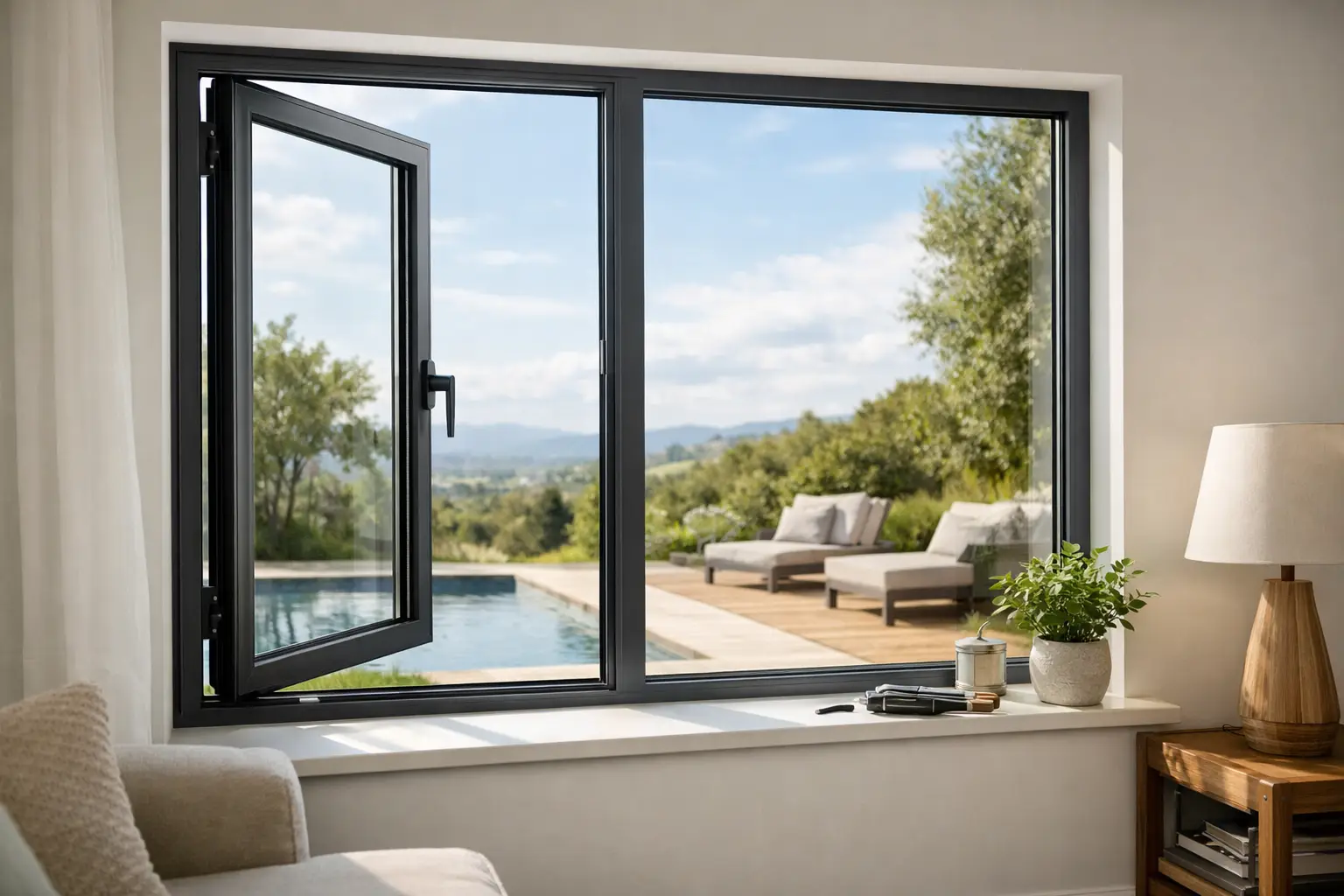
A casement window that rattles in the wind, sticks when opened or leaves a cold patch beside the frame is more than a minor annoyance. It can affect comfort, heating costs, security and the appearance of your home. A well-planned casement window replacement restores easy everyday use while giving you the opportunity to improve insulation, ventilation and kerb appeal in one project.
For homeowners across Hertfordshire and North London, the best choice is rarely just about selecting a new frame colour. The right windows need to suit the property, perform well in its setting and be fitted with the care that allows them to last.
What is a casement window?
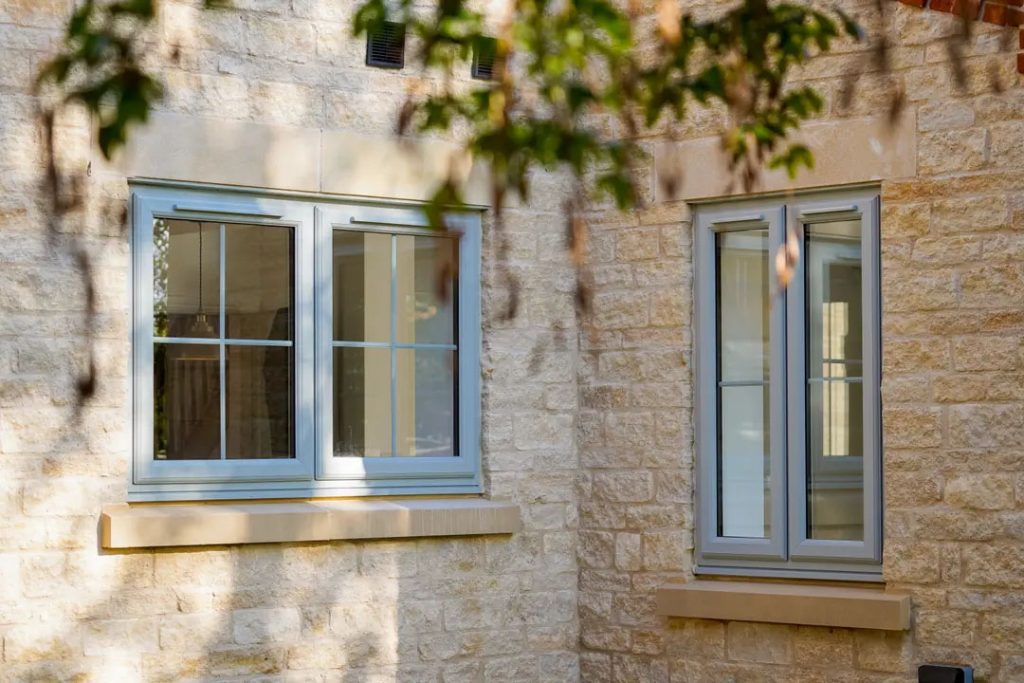
A casement window is hinged at the side, top or bottom and opens outwards or, less commonly, inwards. The familiar side-hinged design is particularly popular because it provides generous ventilation, a clear view and a secure closing seal. It can be configured as a single opening sash, a pair of equal openings, or a fixed central pane with opening sections either side.
Casement windows work across a wide range of properties. In a traditional home in St Albans or Radlett, they can be designed with slimmer sightlines, Georgian bars or a timber-effect finish. In a contemporary extension, aluminium casements can create crisp lines and larger glazed areas. The style is adaptable, but the details must be right.
When casement window replacement makes sense
Not every older window needs replacing immediately. A specialist survey can establish whether an issue is isolated to hinges, handles, seals or glazing. However, replacement is often the sensible long-term decision when the frame itself is worn, distorted or no longer performing as it should.
Common warning signs include:
- noticeable draughts or cold areas around the window
- condensation forming between the panes of double glazing
- timber decay, persistent peeling paint or warped frames
- difficult opening, closing or locking
- outside noise that is too easily heard indoors
Single glazing, failed double-glazed units and ageing frames can all reduce the comfort of a room. Replacing them gives you a chance to address several problems together rather than repeatedly spending on short-term repairs.
There is also an aesthetic consideration. Tired windows can make an otherwise well-kept property look dated, while poorly proportioned replacements can undermine period character. This is why careful design matters as much as the product specification.
Choosing the right material for your home
The best material for a casement window replacement depends on the architecture of your home, the desired sightlines, maintenance expectations and budget. There is no one material that is right for every project.
uPVC for practical everyday performance
Modern uPVC casement windows offer strong thermal performance, low maintenance and good value. They are available in more finishes than many homeowners expect, including woodgrain effects and a wide range of colours. For family homes, rental properties and straightforward replacements, uPVC can be a dependable choice.
The trade-off is visual. Standard uPVC frames are generally thicker than aluminium or steel, so they may not be the preferred option where very slim profiles are central to the design.
Aluminium for slim frames and contemporary design
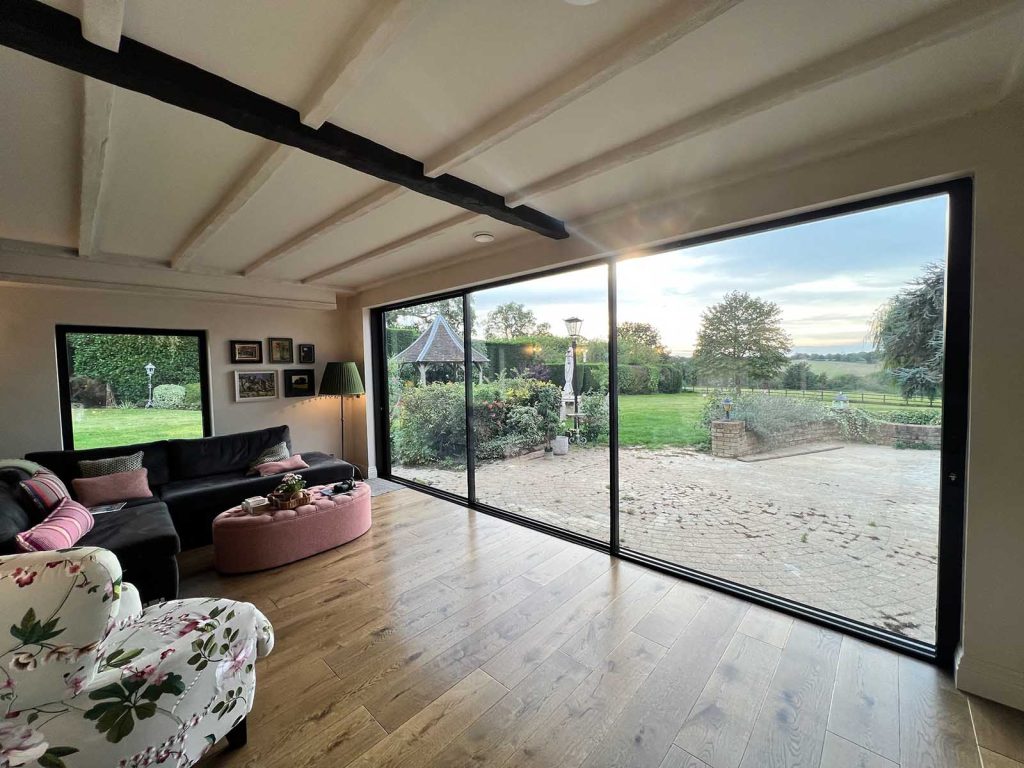
Aluminium casement windows are valued for their strength, clean appearance and ability to support larger panes with relatively slim frames. They suit modern homes, extensions and renovations where light and sharp architectural lines are priorities. Quality thermally broken aluminium systems also provide excellent insulation.
Aluminium typically costs more than uPVC, but it can offer a refined finish and long service life. It is especially effective where casement windows need to sit alongside aluminium bifold doors, sliding doors or rooflights for a consistent look.
Timber for warmth and character
Timber remains a beautiful choice for period homes, conservation-sensitive projects and homeowners who value natural materials. A well-made timber casement can be shaped and detailed to reflect historic profiles while delivering modern glazing and weather performance.
It does require a considered maintenance plan. Modern finishes reduce the frequency of repainting, but timber should not be chosen by someone looking for a completely maintenance-free window. In return, it brings depth, authenticity and a finish that is difficult to replicate.
Steel and heritage-style systems for distinctive properties
Slim steel windows and heritage aluminium alternatives can be ideal for properties with original metal windows, Crittall-style glazing or an industrial-inspired design. Their narrow sightlines make them particularly attractive for bays, feature elevations and internal glazed screens.
Planning constraints, structural openings and the character of the building all need reviewing early. For listed buildings and conservation areas, the local authority may have a view on materials, glazing bars and opening arrangements.
Glazing, security and ventilation should be planned together
The glass inside a window has a major effect on how the finished room feels. Double glazing is the usual starting point, but its specification can be tailored to the elevation and your priorities. For example, acoustic glazing may be worthwhile near busier roads in Watford, Harrow or Barnet, while solar-control glass can help manage overheating on large south- or west-facing elevations.
Thermal performance is not simply about choosing the lowest possible U-value. A window must also be installed correctly, sealed carefully and suited to the building fabric around it. A high-performing unit fitted poorly can still lead to draughts, cold bridges and condensation concerns.
Security deserves the same attention. Look for quality multi-point locking, secure hinges and internally glazed units where appropriate. A good installer will explain the available security options clearly, including products designed to meet recognised standards, without making the specification more complicated than necessary.
Ventilation is another practical point that is easy to overlook. Opening sashes, trickle vents where required and the way each room is used should all be considered. A bathroom, kitchen and bedroom may need different ventilation solutions, even if the windows look similar from outside.
Design details that make replacement windows look right
The most successful replacement windows look as though they belong to the property. That starts with proportion. The number of opening sections, position of glazing bars, frame depth, sightlines and handle style all affect the finished appearance.
On a Victorian or Edwardian property, replacing a large original window with several small, heavily framed units can alter the elevation completely. Conversely, a contemporary home can lose its clean lines if it is fitted with overly decorative detailing. A measured design conversation before manufacture prevents these expensive mistakes.
Colour should be considered in context too. Anthracite grey remains popular, but it is not automatically the right answer for every house. Soft whites, heritage greens, black, bronze tones and timber finishes can each work beautifully when they complement brickwork, render, roof tiles and existing doors.
If you are replacing only some windows, matching the remaining frames is important. If a whole-house project is planned in stages, agree the intended final specification at the outset so later phases remain consistent.
The casement window replacement process
A clear process makes a significant purchase feel more manageable. It should begin with a conversation about your home, the problems you want to solve and the style you are aiming for. Honest advice is particularly valuable where several materials could work.
The survey is where the technical detail is confirmed. Accurate measurements, existing opening conditions, lintels, internal reveals, external finishes and access all need checking. This is also the point to identify any issues such as damaged brickwork, internal shutters, alarms or restricted access that could affect installation.
Once the specification is agreed, the windows are manufactured to the required sizes and finish. Installation day should be planned to minimise disruption, with protection for working areas and a clear approach to removing old frames. Replacing windows is skilled work: the new units must be level, square, correctly packed, securely fixed and properly sealed both inside and out.
After fitting, every sash should open, close and lock smoothly. The team should explain how to operate the handles, vents and locks, and leave the area clean. At E&A Windows, this attention to detail is part of delivering solutions that last, rather than simply changing the frames.
Getting the value from your investment
The cheapest quotation is not always the lowest-cost outcome. Window replacement pricing can vary because of glass specification, frame material, hardware, access requirements, finishing work and the care taken during survey and installation. Comparing like for like is essential.
Ask what is included in the quotation, how old windows will be removed, whether trims and making-good are allowed for, and what aftercare is available. A transparent quote should help you understand the scope rather than leave you guessing about extras later.
A casement window replacement should make your home quieter, warmer and more secure, but it should also feel right every time you look at it. Take time to compare materials, view real samples and choose an installer prepared to give practical advice without hard sales. The result is a home improvement you will notice every day, long after installation day has passed.