
Does Double Glazing Reduce Noise at Home?
- 10 August 2026|
- News

A busy road, early rubbish collections, aircraft overhead or neighbours enjoying the garden late into the evening can make a well-loved home feel far less relaxing. So, does double glazing reduce noise? Yes, it can make a noticeable difference, but the result depends on far more than simply fitting two panes of glass.
The right window specification, a well-designed frame and precise installation all matter. For homes across Hertfordshire and North London, particularly those near main roads or rail routes, choosing glazing with noise reduction in mind can help create a quieter, more comfortable space without compromising on security, warmth or appearance.
Does double glazing reduce noise effectively?
Standard double glazing reduces outside noise because it creates a barrier made up of two glass panes and a sealed gap between them. Sound waves lose energy as they pass through these layers, so less noise reaches the room than with old single glazing.
That said, standard units are often designed primarily for thermal efficiency. They will usually improve matters where existing windows are draughty, thin or poorly sealed, but they may not provide the level of sound control needed beside a busy route. The difference can be especially clear with older single-glazed timber windows, worn seals or frames that no longer close tightly.
For stronger results, the glass needs to be specified as an acoustic system rather than treated as an afterthought. This does not necessarily mean a dramatically different-looking window. Slimline aluminium, steel, timber and carefully chosen uPVC systems can all be designed to support improved acoustic performance.
What makes a window quieter?
Noise reduction is not one feature. It is the combined performance of the glazing, frame, opening style and installation. A premium glass unit cannot perform as intended if there is a gap around the frame or a poorly sealed opening sash.
Glass thickness and pane arrangement
Two panes of exactly the same thickness can allow certain sound frequencies to pass through more easily. An acoustic double-glazed unit often uses different thicknesses of glass, such as one thinner pane and one thicker pane. This is called an asymmetric unit, and it helps disrupt a wider range of sound frequencies.
The spacer gap between the panes also has an effect. A larger gap can improve acoustic separation, although there are practical limits determined by the chosen window system, sightlines and overall unit thickness. It is a matter of designing the full unit correctly, rather than assuming that the widest possible gap is always best.
Acoustic laminated glass
For homes exposed to heavier traffic, frequent aircraft noise or persistent street activity, acoustic laminated glass is often worth considering. It contains a specialist interlayer between sheets of glass that helps dampen vibration and reduce sound transmission.
It also brings an additional safety benefit because the interlayer helps hold the glass together if it breaks. This makes it a popular option for large glazed areas, ground-floor windows, doors and contemporary extensions where homeowners want both peace of mind and a calmer interior.
Airtight seals and well-made frames
Sound travels through the smallest gaps. If you can feel a draught around a window, that opening is likely to be affecting both thermal and acoustic comfort.
Modern windows use compression seals to create a tight closure when shut. Quality hardware, accurate fabrication and correctly adjusted hinges or locks help maintain that seal over time. Frame material alone does not decide acoustic performance, but a well-engineered aluminium, steel, timber or uPVC frame, fitted with care, gives the glazing the best chance to do its job.
Installation quality
Even the best-specified window can disappoint if the survey or installation is poor. The junction between the new frame and the wall must be properly packed, insulated and sealed, both internally and externally where appropriate. Existing reveals, cavity closers and internal finishes also need attention.
This is why a detailed survey matters. It identifies issues such as uneven openings, fragile surrounding finishes, existing damp or areas where sound may bypass the window through vents, walls or adjoining construction. At E&A Windows, the aim is always to recommend a solution that suits the property rather than a generic upgrade that looks good on paper.
How much quieter will your home feel?
It depends on the noise source and the condition of your existing windows. Replacing old single glazing with well-fitted double glazing can make conversations, television and sleep much easier in rooms facing a road. The reduction is often most noticeable when windows are closed, particularly at night when outside noise feels more intrusive.
Low-frequency sound is harder to control. The bass from music, heavy lorries, rail vibration and some aircraft noise can travel through walls, roofs and floors as well as windows. In those situations, new glazing may improve the room significantly without removing every trace of noise.
This is an important distinction when setting expectations. Good acoustic glazing reduces sound. It does not make a home silent, and any company claiming otherwise is overselling the result.
Double glazing or triple glazing for noise?
Triple glazing is often chosen for excellent thermal performance, but it is not automatically quieter than double glazing. Three equal panes of glass can perform less effectively acoustically than a carefully specified double-glazed unit with different glass thicknesses and acoustic laminated glass.
A triple-glazed window can be designed for sound reduction, but it needs the right combination of pane thicknesses, gaps and frame capacity. It is also heavier and may not be necessary for every project. In many homes, acoustic double glazing offers a strong balance of noise control, energy efficiency, visual proportions and value.
For period properties, conservation areas or heritage-style replacements, the decision may also be shaped by planning considerations and the need to retain traditional sightlines. Secondary glazing can sometimes be an effective alternative where original windows must remain, as the separate internal panel creates a much larger air gap than a typical sealed double-glazed unit.
Do trickle vents let noise in?
Trickle vents provide background ventilation and may be required to support healthy indoor air quality, especially where replacement windows make a home more airtight. However, an open vent can allow more sound into a room, so it needs to be part of the acoustic conversation.
Acoustic trickle vents are available and can reduce the amount of noise entering while still allowing airflow. Their performance varies, and they cannot eliminate sound completely when open. During a survey, it is sensible to discuss how each room is used, which elevations face the noise source and whether alternative ventilation measures are suitable for the wider project.
Signs that acoustic glazing may be worthwhile
If your current windows rattle, whistle in the wind, show visible gaps or allow traffic conversations to be heard clearly indoors, a replacement may deliver a worthwhile improvement. Acoustic glazing deserves particular consideration for bedrooms, home offices, nurseries and living rooms facing a busy street.
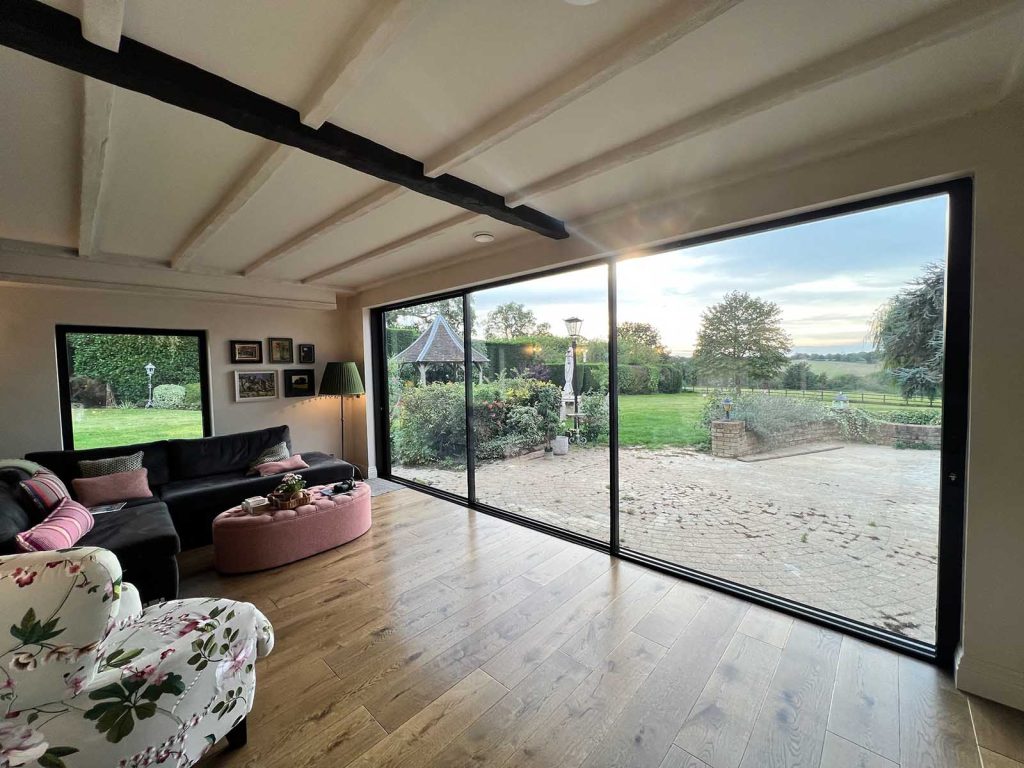
Large sliding doors, bifolds, rooflights and structural glazing should also be assessed carefully. These features can bring exceptional light and views, but their glass specification, opening seals and fitting details should reflect their size and location. A quiet room is often the result of thoughtful design at the start of an extension or renovation, not a last-minute upgrade.
The most useful next step is to listen to the property as well as look at it. Notice when the disturbance occurs, where it is loudest and whether it seems to enter through the glass, frames, vents or the building fabric itself. With that information, an experienced surveyor can recommend glazing that delivers a genuine improvement and solutions that last.