
A Triple Glazed Window Guide for UK Homes
- 1 September 2026|
- News
A triple glazed window guide should begin with the question that matters most: will a third pane make a noticeable difference to your home? For many properties across Hertfordshire and North London, the answer is yes – but only when the complete window, the room and the installation have been considered together.
Triple glazing can improve comfort, reduce heat loss and, with the right specification, help limit outside noise. It is not automatically the best choice for every elevation, every window style or every budget. A well-designed double glazed window can still be an excellent solution. The right decision comes from looking beyond the number of panes.
Triple glazed window guide: what it actually means
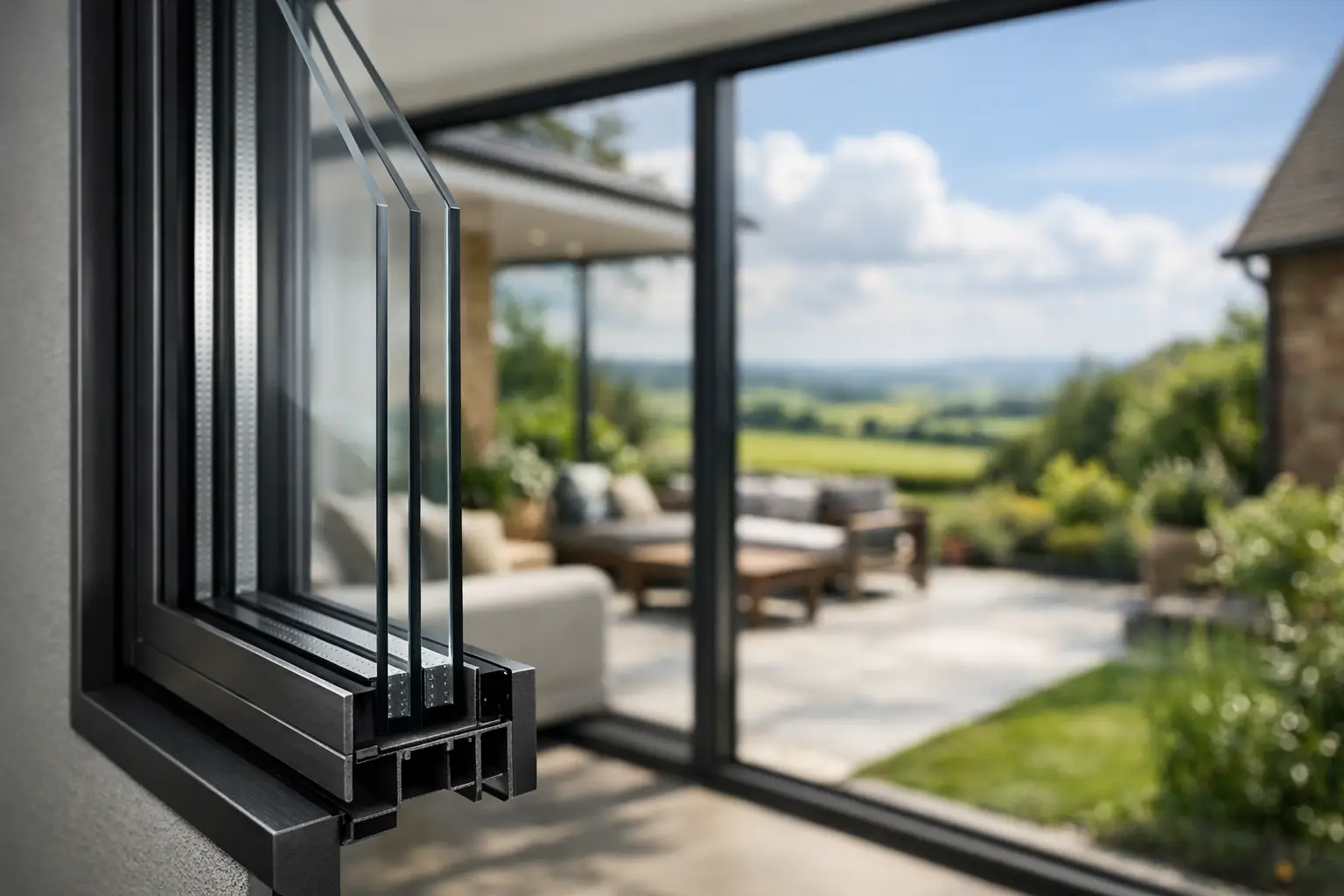
A triple glazed unit has three panes of glass separated by two insulated cavities. These cavities are usually filled with an inert gas, commonly argon, while low-emissivity coatings on the glass help reflect warmth back into the room. The result is a window designed to slow down heat escaping through the glazing.
The glass unit is only one part of the picture. Frame material, frame depth, thermal breaks, seals, spacer bars and the quality of fitting all affect the performance you feel day to day. A high-performing glazed unit placed in a poorly specified frame, or installed with gaps around it, will not deliver its full potential.
For this reason, compare whole-window U-values rather than focusing only on the centre-pane figure. A lower U-value indicates less heat loss. Your surveyor should also explain the proposed frame system and how it will be fitted, not simply quote the glass specification.
Where triple glazing makes the biggest difference
The most immediate benefit is usually comfort. Windows are often the coldest surface in a room, particularly in older homes with single glazing or ageing double glazed units. Triple glazing raises the internal surface temperature of the glass, so sitting near a window on a winter evening feels less draughty and less chilly.
This can be especially worthwhile in large glazed extensions, loft conversions, north-facing rooms and properties with broad areas of glass. It can also suit whole-house renovation projects where insulation, heating controls and airtightness are being improved at the same time. In these cases, upgraded windows support a more consistent indoor temperature from room to room.
Noise reduction is another potential advantage, although it is not as simple as adding one more pane. Triple glazing can improve acoustic performance, but glass thickness, the gap between panes and the type of glass used are often more influential. A busy road, railway line or flight path may call for an acoustic glass specification with asymmetrical pane thicknesses, rather than standard triple glazing alone.
The benefits worth paying for
When properly specified, triple glazed windows offer several practical advantages:
- Improved thermal performance, helping rooms retain warmth for longer.
- Greater comfort near glazed areas, with fewer cold spots and less internal condensation risk.
- Potentially lower heating demand, particularly when replacing inefficient existing windows.
- Better sound control when the unit is designed specifically for the noise source.
- A premium, future-minded specification for refurbishments and new-build projects.
Energy savings should be viewed realistically. Replacing old single glazing can make a dramatic difference, while replacing good modern double glazing with triple glazing may produce a subtler change. Your heating system, wall and roof insulation, ventilation and household habits all affect the final result.
When double glazing may be the better choice
There are situations where high-performance double glazing is the sensible option. It is generally lighter, can cost less and may work better within slimline frames or certain heritage-style designs. On a period property, preserving fine sightlines and the character of the façade may be just as important as achieving the lowest possible U-value.
Solar gain also deserves careful thought. South- and west-facing windows can bring welcome warmth in cooler months, but they can contribute to overheating during summer. Triple glazing reduces heat loss, yet some specifications also reduce useful solar gain. In a heavily glazed extension, the balance between insulation, solar control, ventilation and shading needs to be worked out early, before manufacture.
Existing openings can be another factor. Triple glazed units are heavier and thicker than double glazed units, so the frame system, hinges and opening configuration must be capable of supporting them. This is particularly relevant for large casement sashes, heritage designs and replacement windows where structural openings are limited.
A good glazing specialist will not recommend triple glazing by default. They will assess the aspect of the property, room use, opening sizes, local noise, the condition of the building and your priorities. Sometimes the most effective approach is to use different glass specifications in different areas of the same house.
Choosing the right frame material
Triple glazing is available in aluminium, uPVC, timber and selected steel or heritage systems, though each system has its own limitations and visual qualities. The decision should start with the architecture of your home and the appearance you want to achieve.
Modern aluminium windows offer slim profiles, strength and a wide choice of finishes. Thermally broken aluminium systems can work very well with triple glazing, making them a popular choice for contemporary extensions, large openings and whole-house renovations.
uPVC remains a practical, cost-conscious option with good thermal performance, particularly for replacement windows. Timber brings natural warmth and is often well suited to character properties, while modern engineered timber systems can provide excellent insulation when maintained correctly.
Steel is valued for exceptionally slim sightlines and architectural character. However, the desired appearance, system depth and thermal requirements need to be considered carefully, especially on listed buildings or projects with planning conditions. There is rarely one material that is right for every home.
Why installation matters as much as the glass
Even the best windows depend on accurate surveying and careful installation. Openings in older homes are not always square, walls can vary in thickness and original details such as reveals, internal shutters and stone sills need respect. A rushed fitting can leave draughts, poor finishes or water-management issues that undermine an otherwise premium product.
Professional installation starts with a detailed survey. This confirms the opening sizes, checks structural considerations and identifies how the new frames will meet the wall, insulation and internal finishes. The installation team should protect your home, work cleanly and make good the details around each opening with utmost care and precision.
Ventilation should form part of this conversation too. Modern replacement windows are far more airtight than older units. Trickle vents, extractor fans and everyday ventilation habits help manage moisture and maintain healthy indoor air quality. Reducing draughts should not mean reducing fresh air.
Questions to ask before you decide
Before accepting a quotation, ask for the whole-window U-value, not just the glass value. Check whether the proposed design includes solar-control or acoustic glass where needed, and whether the stated price covers surveys, removal of old windows, making good and disposal.
It is also worth asking how the windows will look from inside and outside. Sightlines, handle design, opening direction, sill details and frame colour have a lasting effect on the finished home. For homeowners planning a larger renovation in Radlett, St Albans, Harpenden, Watford or North London, bringing window decisions into the design process early avoids compromises later.
At E&A Windows, the most useful conversations are not about selling the most expensive specification. They are about understanding how you use your rooms, what your property needs and which solution will continue to perform well over time.
A third pane can be a valuable investment, particularly where warmth, comfort and energy efficiency are central to the project. But the best window is the one that suits the building, respects its design and is fitted properly enough that you can simply enjoy a quieter, warmer home for years to come.